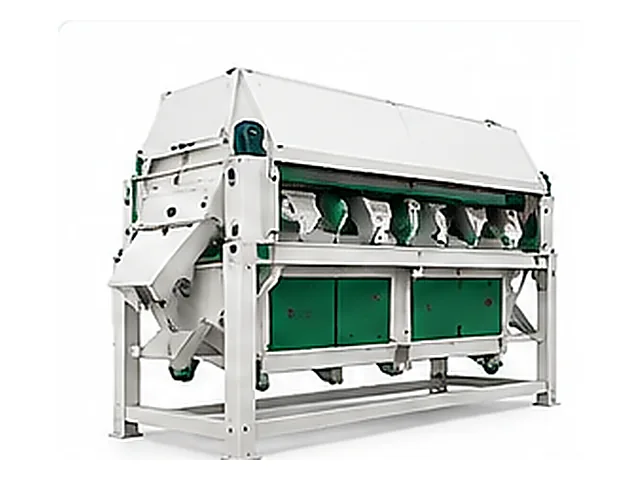
 Cleaning & Pre-Cleaning
Pre-Cleaner
Strips away dry lentil pod chaff, tangled vine stems, fine threshing dust, and coarse soil clods at 5–40 t/h ahead of tempering silos or fine cleaners.
5–40 t/h↗

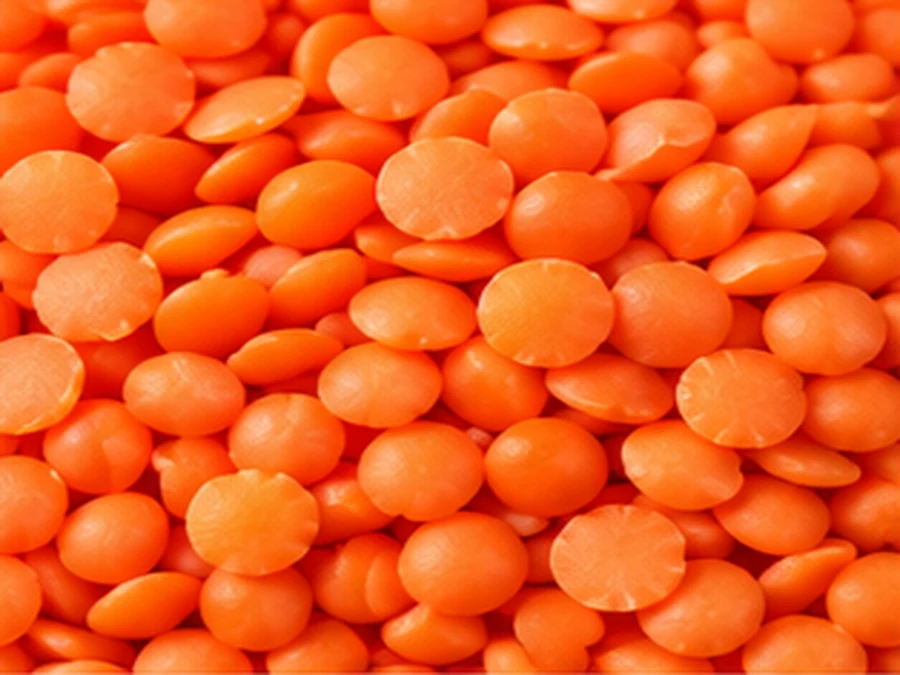
Industrial lentil processing plants—conditioning whole green Laird, Richlea, and Eston varieties or dehulling and splitting red Crimson lentils into football and split dhal—must engineer separation around the crop's thin biconvex lens geometry. Because lentil swaths are cut inches above stony ground, field lots arrive heavily contaminated with flat shale chips, compacted mud balls, wild vetch, cereal grains, and chipped cotyledons. Combining multi-deck diameter and thickness screening, vibro-pneumatic destoning, indented cylinder length grading, abrasive carborundum dehulling with hull aspiration, canvas oil-water polishing, and trichromatic optical sorting delivers export-ready whole and split lentils.
Engineering a commercial lentil plant requires distinct screen apertures for flat biconvex diameter versus edge thickness, paired with precision length indent cylinders and calibrated abrasive rollers for red lentil milling.
Each machine in a lentil conditioning and splitting facility is sized to separate flat stones, round weed seeds, and cereal admixtures while minimizing cotyledon chipping on thin lens edges.
Cleaning & Pre-CleaningStrips away dry lentil pod chaff, tangled vine stems, fine threshing dust, and coarse soil clods at 5–40 t/h ahead of tempering silos or fine cleaners.
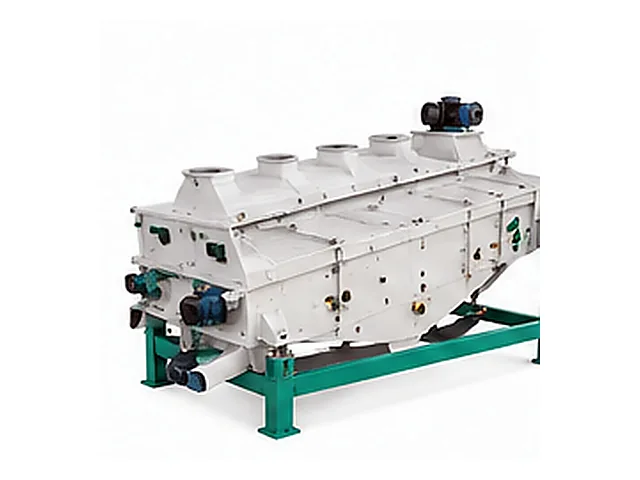 Cleaning & Pre-Cleaning
Uses dual aspiration ducts and combinational round-hole diameter plus oblong-slot thickness sieves at 3–30 t/h to isolate thin shriveled lentils and split halves.
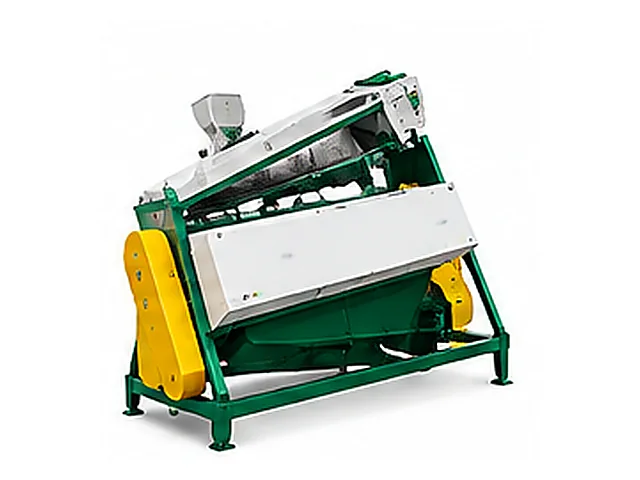 Separation
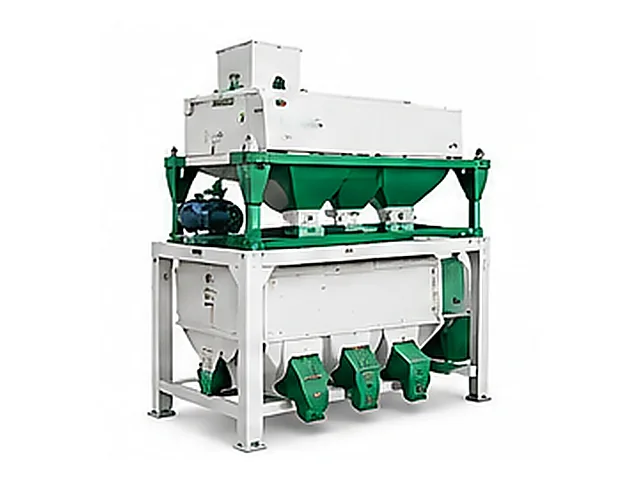 Separation
Separates frost-wrinkled lightweight lentils, sclerotinia fungal bodies, and insect-damaged seeds from dense whole kernels at 1–20 t/h by specific gravity.
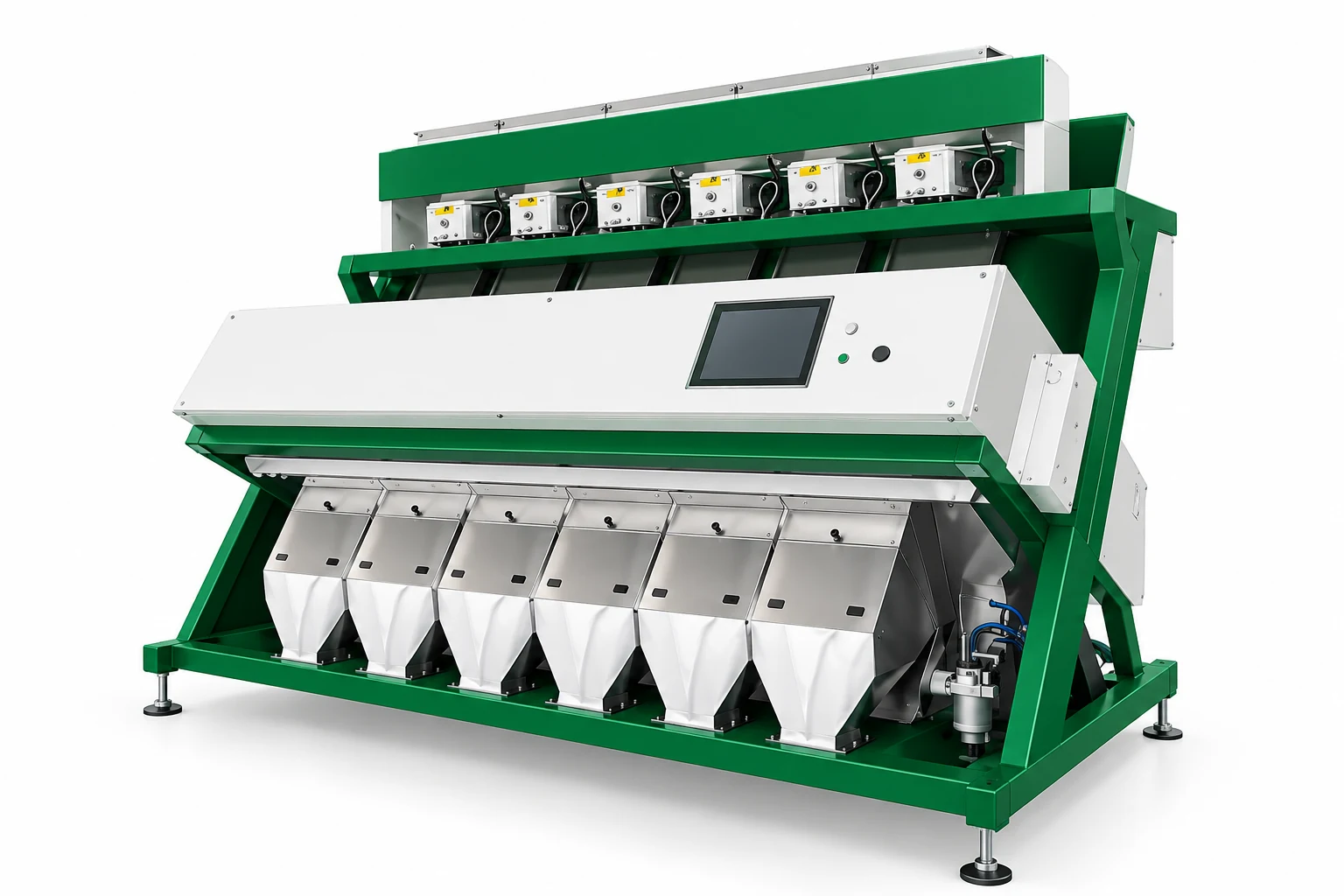 Optical Sorting
Removes bleached or oxidized green lentils, dark Ascochyta-stained seeds, unpeeled red hulls, and same-density stone chips at 1–20 t/h via RGB and SWIR cameras.
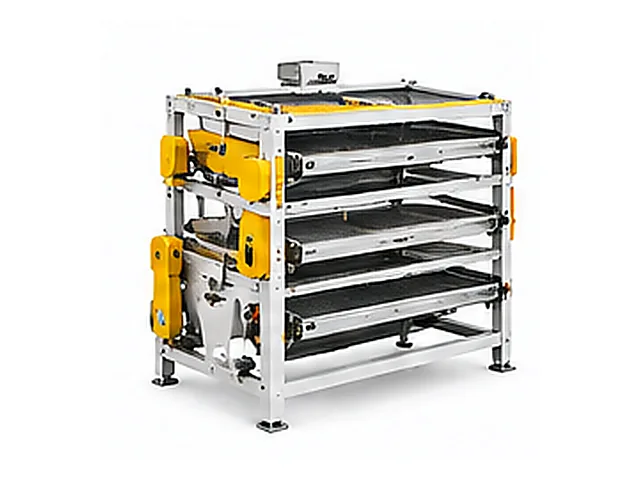 Grading & Sizing
Divides whole green and red lentils into exact commercial millimeter diameter brackets (3.5 mm to 7.0 mm) at 2–30 t/h prior to dehulling or export packing.
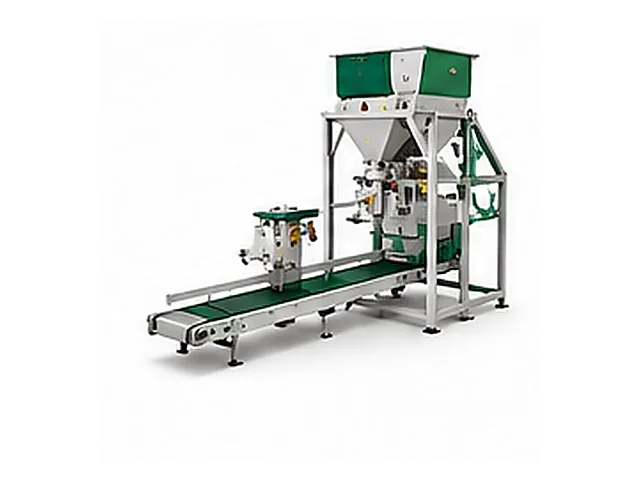 Packaging & Dispatch
Automates high-accuracy net weighing and retail or bulk packaging of polished whole and split red/green lentils into 25 kg, 50 kg, or FIBC bags.
Unlike spherical pulses, a lentil's flattened biconvex profile creates unique separation challenges and advantages across an industrial cleaning and milling line. Round-hole screens classify lentils by disc diameter (separating large 6.0–7.0 mm Laird green lentils from small 4.0–4.5 mm red varieties), whereas slotted oblong perforations grade lentils on edge by thickness—allowing plump unsplit red 'football' lentils to be cleanly separated from flat split cotyledons. Integrating indented cylinders to extract longer wheat, barley, and wild oat admixtures alongside gravity tables and optical sorters guarantees 99.95% purity for international pulse traders.
Field-run lentils frequently contain wheat, barley, and wild vetch seeds that pass through the same round-hole diameter screens as whole lentils. Following primary air-screen cleaning and vibro-destoning, battery-arranged indented cylinders lift shorter round weed seeds and split lentil fragments in shallow pockets while rejecting longer cereal grains, leaving a uniform biconvex stream for density grading.
Producing whole peeled red 'football' lentils or split red dhal requires precise moisture tempering (water misting or mild thermal conditioning to loosen the testa bond) followed by tightly calibrated sizing so every dehuller receives a single millimeter fraction. High-speed silicon-carbide (carborundum) rollers abrade the outer seed coat without scouring the cotyledon, while suction aspirators, splitting cones, and cotton-canvas polishers impart a glossy orange-red finish.
Export grading for whole green lentils (No. 1 and No. 2 Canada/export standards) strictly limits bleached yellow seeds, dark oxidized coats, Ascochyta-stained kernels, and peeled-skin defects. Gentle low-velocity conveying prevents edge chipping on dry biconvex rims, while high-frequency RGB plus InGaAs optical sorters remove subtle shade variations, unhulled red seeds, and calcified soil particles.
Calibrating red lentils into narrow 0.25–0.50 mm thickness and diameter bands prior to abrasive dehulling is essential to maximize whole 'football' yield and minimize fine flour loss (brokens/chuni). If mixed sizes enter a carborundum roller gap simultaneously, larger lentils suffer deep cotyledon scouring into powder while smaller seeds exit with adherent brown hull patches that must be recycled.
Post-milling surface conditioning determines the visual shelf appeal and storage stability of red football and split lentils. Passing dehulled and aspirated lentils through a sanitary ribbon or canvas polishing drum with a micro-metered mist of water or food-grade vegetable oil removes clinging cotyledon starch dust and creates the deep, translucent crimson luster demanded by Middle Eastern and South Asian importers.
When evaluating turnkey proposals for a lentil cleaning or red-lentil splitting plant, require mass-balance performance guarantees verified on your regional lentil variety. Supplier contracts must specify net clean recovery for whole green grades, football-to-split ratio and total dhal yield (typically 82–86% depending on hull thickness), stone removal efficiency (zero stones per 50 kg), and baghouse dust control capacity.
During plant commissioning, engineers must audit the hull aspiration discharge, indented cylinder troughs, and optical sorter tertiary rejects to verify that thin whole lentils or split halves are not being lost. Adjusting air-leg damper velocity and installing a dedicated resort pass on the optical color sorter recovers sound red splits and green kernels from concentrated reject streams.
Mechanical layout in a lentil plant must protect the sharp outer rim of the biconvex seed, where seed coats split first upon impact against steel elbows. Using slow-speed bucket elevators, dead-box impact pockets at spout transitions, and centralized negative-pressure aspiration across all screen decks and dehullers prevents pericarp fraying and keeps workspace dust well below occupational limits.
Cereal grains like wheat and barley often have the same cross-sectional width as medium green or red lentils, allowing them to pass through the same slotted and round sieves. Installing rotating indented cylinders after the air-screen cleaner separates these admixtures by seed length: the shorter biconvex lentils seat fully inside the hemispherical indents and are lifted into the inner collecting trough, while longer cereal kernels slide out the end.
Abrasive carborundum dehullers strip the seed coat by passing lentils through a precise radial clearance between a high-speed silicon-carbide rotor and a slotted screen jacket. Grading incoming red lentils into 3 or 4 tight millimeter fractions ensures each dehulling machine is set to the exact thickness of that fraction, preventing small lentils from escaping unpeeled while avoiding excessive breakage on larger seeds.
When a red lentil loses its outer hull, a whole unsplit kernel ('football') retains roughly twice the edge thickness of a cleaved single cotyledon ('split'), even though both have the exact same circular diameter. Passing the dehulled and aspirated stream over precision oblong-slotted wire or perforated screens allows flat split cotyledons to drop through on edge while plump round footballs ride over the deck.
Green lentils have a relatively loose outer testa along their sharp biconvex perimeter that easily chips or peels if handled at low moisture (below 11%) or high conveying speeds. Keeping bucket elevator belt speeds below 1.3 m/s, eliminating pneumatic conveying on dry whole seed, lining transfer chutes with polyurethane, and maintaining seed moisture around 12–13% preserves intact green seed coats.
After dehulling or fine cleaning, lentils carry electrostatic starch powder or fine field clay on their surface that mutes color contrast and coats optical sorter viewing windows. A horizontal canvas or soft-brush polishing machine buffs the kernels—often with an ultra-fine micro-mist of water or edible oil on red lentils—to remove residual dust and produce a bright, uniform market appearance.