SEED PROCESSING GUIDESoybean Processing Line Engineering: Preventing Split Beans, Spiral Separation, and IP Tofu Grading
When soybean moisture drops below 11 to 12 percent, the cotyledons become brittle and the thin testa cracks under impacts exceeding 2.5 to 3.0 m/s. At the same time, combine-harvested soybeans contain flat cotyledon splits, non-round weed seeds, and soil peds that match whole beans in width. A high-performance soybean line integrates cushioned bean ladders, slotted air-screen cleaners, non-powered spiral separators, gravity tables, and optical sorters.
01 / PROCESSControlling Seed-Coat Cracking and Split-Bean Generation
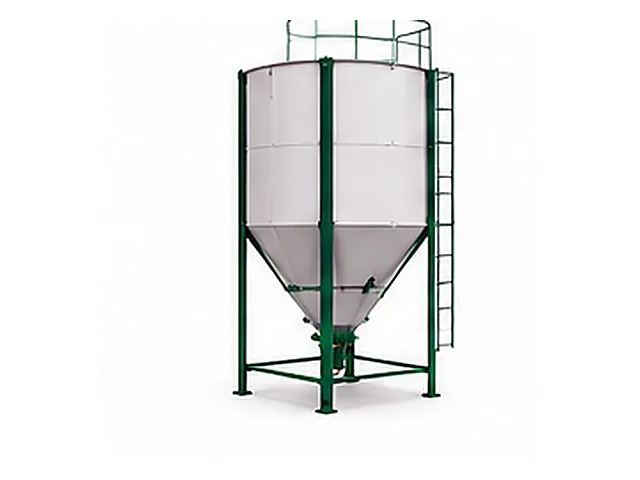
Anatomically, the radicle-hypocotyl axis of a soybean sits exposed on the outer curvature of the seed just beneath a paper-thin testa. To keep mechanical splits below 1.0 percent and preserve 90-plus percent seed germination, engineers replace screw augers with belt conveyors, run bucket elevators below 1.4 m/s, and install stepped bean ladders inside every storage bin.
02 / EQUIPMENTSeparating Flat Splits and Weed Seeds via Slotted Screens and Spirals
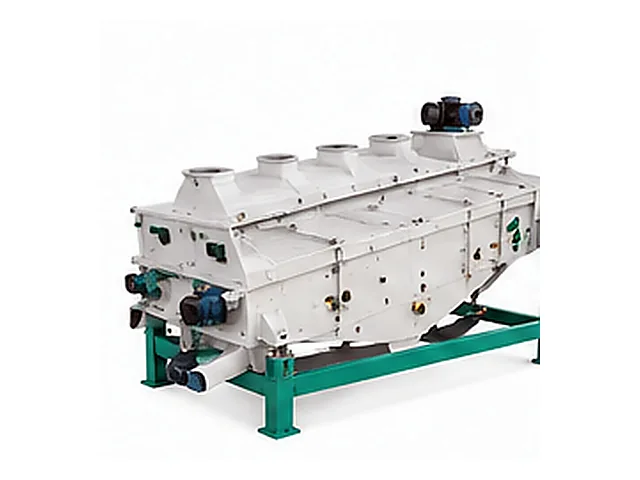
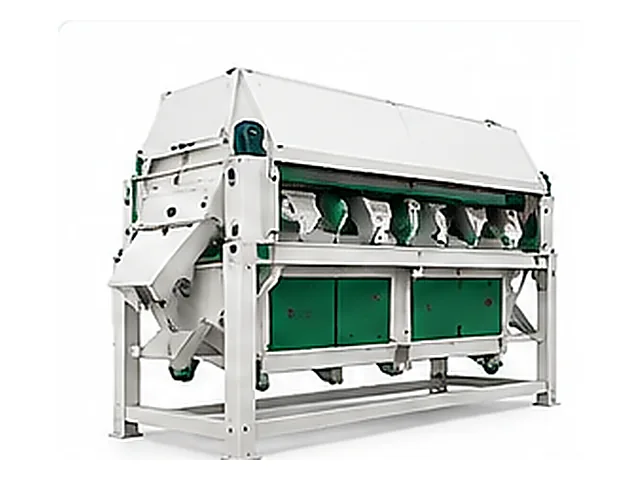
Broken half-beans (splits) have the exact same diameter as whole soybeans and will ride over round-hole bottom screens if not specifically targeted. Air-screen cleaners use oblong slotted bottom sieves (typically 4.0 to 4.8 mm slot width) to drop flat splits through, while gravity-fed spiral separators roll spherical whole beans to the outer flight and trap flat splits and irregular weed seeds in the inner core.
03 / QUALITYGravity Upgrading and Optical Sorting for IP Food-Grade & Seed Soybeans
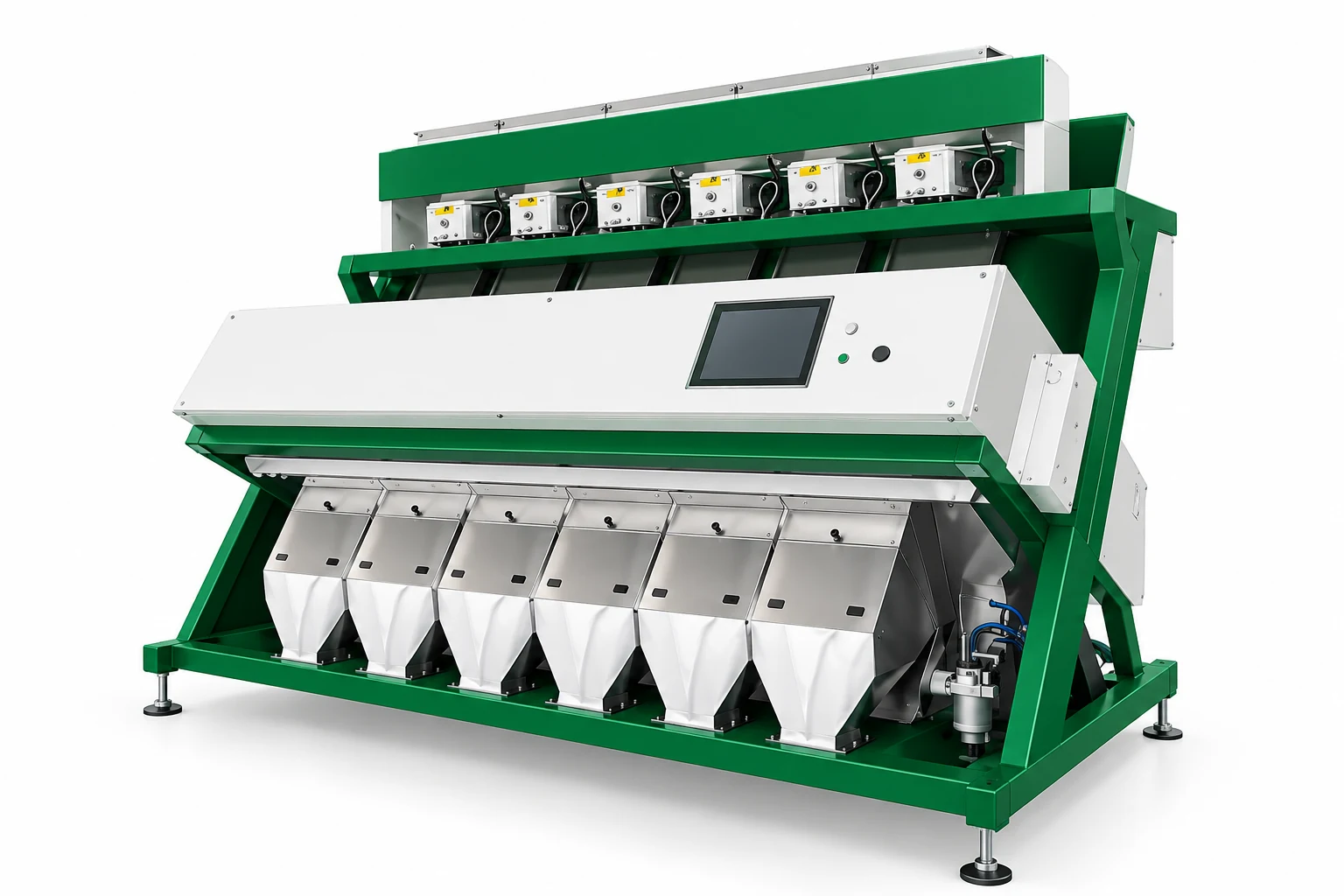
Identity-Preserved (IP) food buyers for natto, tofu, and soymilk demand uniform bean diameter, high protein, bright yellow coats, and zero foreign soil peds or sclerotia. Staging a specific gravity separator ahead of a trichromatic/SWIR optical sorter strips out lightweight stink-bug-damaged beans first, allowing the cameras to focus on removing discolored seed coats, green immature beans, and same-density dirt clods.
Engineering Specification Checklist for Soybean Conditioning Plants
- Measure incoming soybean moisture content, initial split-bean and cracked-testa percentages, soil ped load, and hilum color uniformity.
- Define target grade tolerances—such as maximum 0.5% splits for certified seed, strict millimeter caliber for natto/tofu, or below 1.0% FM for crushing.
- Specify maximum free-fall height (under 1.5 m without cushioning), UHMW-PE or polyurethane chute liners, and dryer air relative-humidity controls.
End-use market requirements fundamentally dictate the equipment flow of a soybean plant: an oilseed crushing mill focuses on high-capacity pre-cleaning, destoning, and precise tempering before cracking rolls and flaking, whereas an IP food-grade or certified seed plant prioritizes multi-deck size calibration, spiral and gravity separation, and optical sorting.
When evaluating supplier proposals for a seed or food-grade soybean line, demand a written guarantee on maximum mechanical damage (splits and cracked seed coats as measured by sodium hypochlorite soak tests) added between intake and packaging. Verify that the quotation includes cushioned dead-boxes at every chute elbow and slow-speed continuous-discharge elevators.
Key Layout Principles for Zero-Breakage Soybean Handling
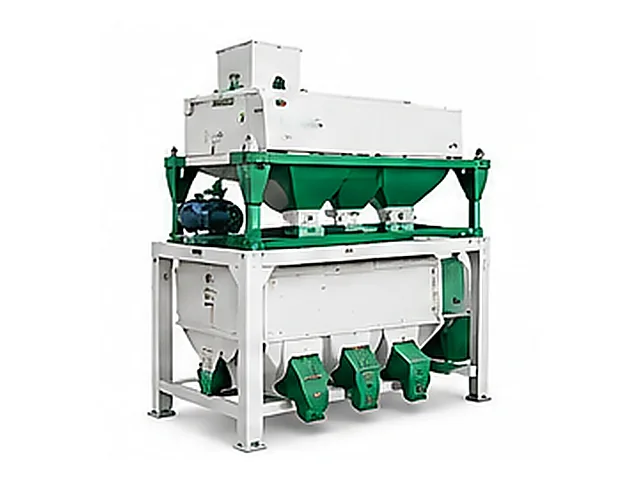
Every unnecessary vertical lift and steel-on-bean impact point degrades soybean lot value by turning whole seed or food beans into discounted oil-mill splits. Designing a vertical gravity-flow tower where pre-cleaned beans cascade gently from the air-screen cleaner through spiral separators and onto the gravity table eliminates intermediate bucket elevators.
During intake sample evaluation, laboratory technicians should classify foreign matter and defects into five categories: coarse pod and stem trash, fine dirt and weed seeds passing a 3.5 mm round sieve, flat cotyledon splits passing a 4.5 mm oblong slot, low-density weathered/stink-bug beans, and same-size soil peds or discolored beans. This breakdown guides exact screen and sorter setup.
If harvested soybeans require thermal drying, drying air temperature must be strictly regulated (below 35–38 °C for seed beans) and relative humidity maintained above 40 percent. Overly dry, hot air causes the outer seed coat to shrink faster than the inner cotyledons, splitting the testa across the entire batch before it even reaches the cleaner.
Core Equipment for Soybean Cleaning, Sorting, and Conditioning

 Cleaning & Pre-Cleaning