SEED PROCESSING GUIDECorn Processing Line Engineering: Pericarp Protection, Flat-Round Grading, and Mycotoxin Control
Unlike small-seeded cereals, shelled corn possesses a large mass and a brittle starch endosperm that shatters easily when dropped onto steel plates or dried at excessive air temperatures. Furthermore, kernels growing at the base and tip of the ear are thick and round, whereas middle-ear kernels are flat, creating severe planting uniformity issues if left ungraded. A professional maize plant integrates cushioned transfer chutes, multi-stage drying, width-thickness sizers, gravity separators, and optical sorters.
01 / PROCESSMulti-Stage Drying and Stress-Crack Prevention in Maize
Harvesting corn at 25 to 32 percent moisture protects the field crop from weather losses but introduces extreme thermal sensitivity in the plant. For hybrid seed maize, drying air temperatures must never exceed 40 to 43 degrees Celsius, whereas commercial grain dryers use staged tempering zones and slow in-bin cooling to prevent internal stress fissures that cause breakage during export handling.
02 / EQUIPMENTPrecision Flat vs. Round Calibration for Seed-Corn Planters
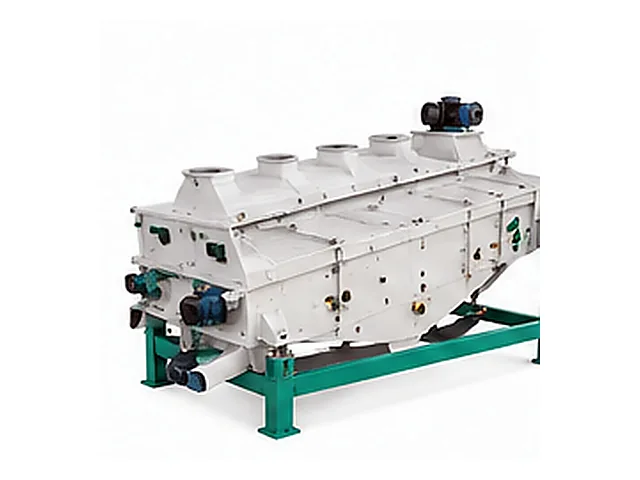
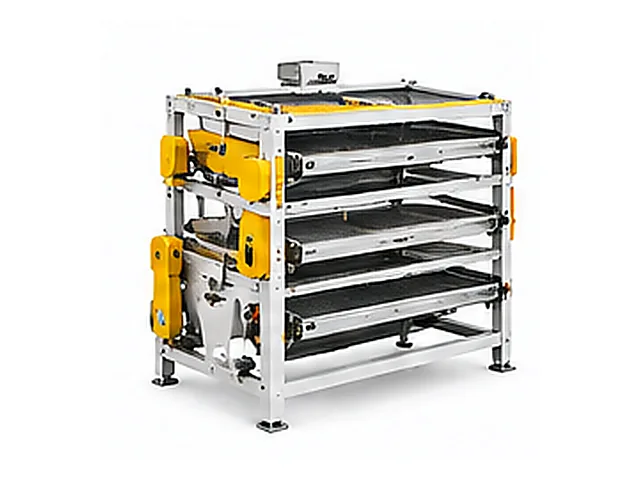
Because kernels from a single maize ear vary dramatically in both width (7 to 11 mm) and thickness (3.5 to 6.5 mm), simple two-screen cleaning is insufficient for seed production. Dedicated rib-slotted thickness graders first split the flow into flat and round streams, which then pass over round-hole width screens and indented cylinders to create uniform, high-singulation seed grades.
03 / QUALITYGravity Separation and Optical Sorting for Aflatoxin and Fumonisin Reduction
Aspergillus and Fusarium molds colonize insect-bored and drought-stressed maize kernels, concentrating dangerous mycotoxins in low-density and discolored grains. Combining a specific gravity table—which rejects light, hollow, and weevil-punctured kernels—with a trichromatic InGaAs optical sorter removes mold-damaged corn to meet strict food and feed safety limits.
Engineering Specification Checklist for Maize Conditioning Plants
- Document harvest moisture range, broken cob and husk percentage, initial stress-crack index, and pericarp fast-green staining limits.
- Define required output fractions—such as four-way Flat/Round seed calibration or BCFM (broken corn and foreign material) below 1.0% for milling.
- Specify maximum free-fall drop heights, bean-ladder cushioning locations, dryer heat-source BTU capacity, and bee's-wing dust collection.
End-use requirements dictate the mechanical architecture of a corn line: dry-milling and snack-food plants prioritize large, hard-endosperm kernels free of stress cracks and cob grit, whereas hybrid seed plants focus entirely on cold-test germination and zero pericarp damage. Equipment tenders should therefore be evaluated on both separation sharpness and mechanical gentleness across every transfer point.
When comparing supplier quotations for a maize facility, require guaranteed mass-balance data showing clean-product yield, reject percentages from gravity tables, and energy consumption per ton of water evaporated in the dryer. Verify that screen areas are calculated for actual wet-intake density and high BCFM loads rather than idealized dry grain benchmarks.
Designing Corn Handling Systems to Eliminate Breakage and Dust
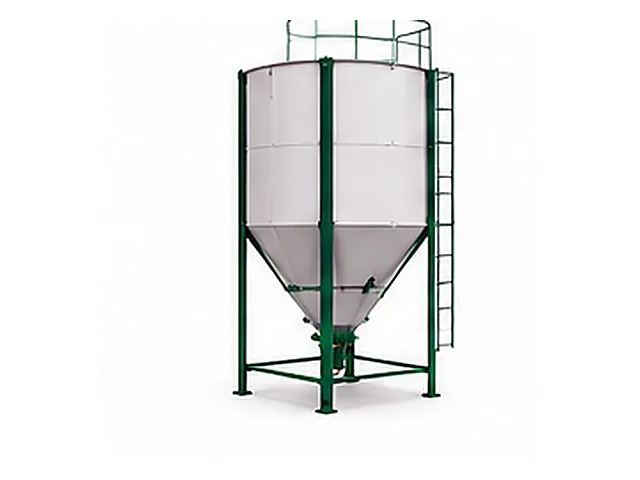
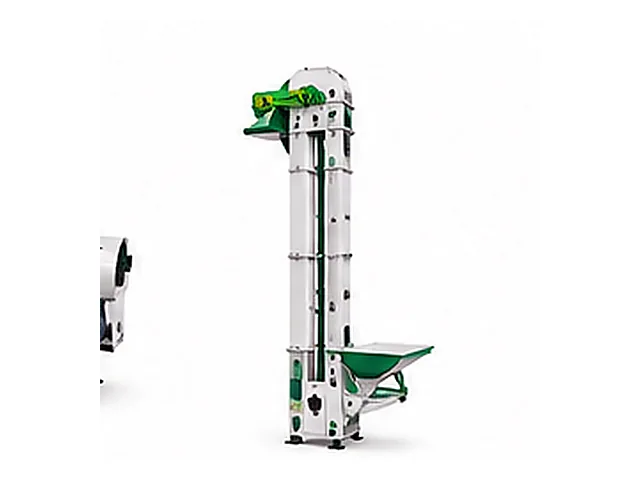
Broken corn and foreign material (BCFM) increases exponentially with every high-velocity impact against elevator boots, distributor turnheads, and silo floors. Installing spiral let-down ladders inside storage bins, limiting chute angles to 40–45 degrees with UHMW-PE liners, and running bucket elevators below 1.5 m/s keep mechanical breakage below 0.5 percent per pass.
Laboratory intake profiling for maize must track four separate fractions: oversize cob chunks and stalk fragments, light papery bee's wings, broken kernel grits passing a 4.76 mm round sieve, and insect-damaged or moldy whole kernels. Mapping these percentages determines the exact split between pre-dryer scalping and post-dryer fine grading.
Light red-bran pericarp flakes—commonly known as bee's wings—peel off continuously whenever dry corn moves through conveyors and cleaners. Positioning secondary aspiration channels immediately ahead of optical sorters, seed treaters, and bagging scales strips out this clingy dust so camera lenses stay clear and chemical slurry coatings adhere evenly to the kernel surface.
Recommended Machinery for Maize Cleaning, Drying, and Grading


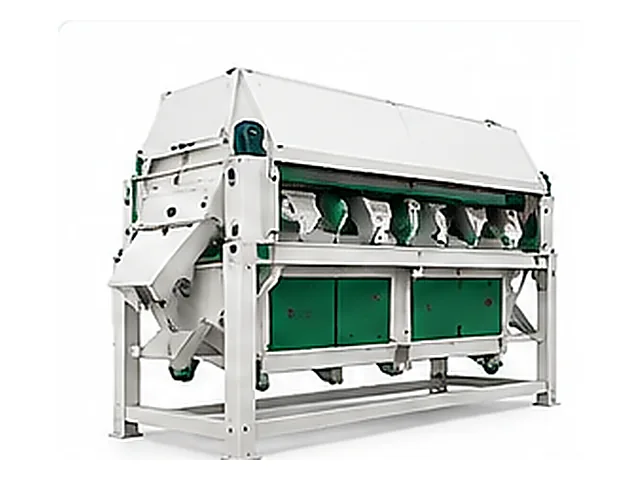 Cleaning & Pre-Cleaning