SEED PROCESSING GUIDERice Processing Plant Engineering: Protecting Head Rice Yield, Paddy Separation, and Optical Purity
In commercial rice milling, broken kernels sell for only 50 to 60 percent of the price of whole head rice, meaning a 2 percent increase in mechanical breakage can wipe out a plant's net operating margin. Rough paddy also carries up to 20 percent silica in its outer husk, acting like sandpaper on unlined spouting and screens. Engineers therefore design rice lines with wear-protected pre-cleaners, precision destoners, differential rubber-roll huskers, compartment paddy tables, indented length graders, and multi-spectral optical sorters.
01 / PROCESSPaddy Pre-Cleaning, De-Awning, and Rubber-Roll Protection
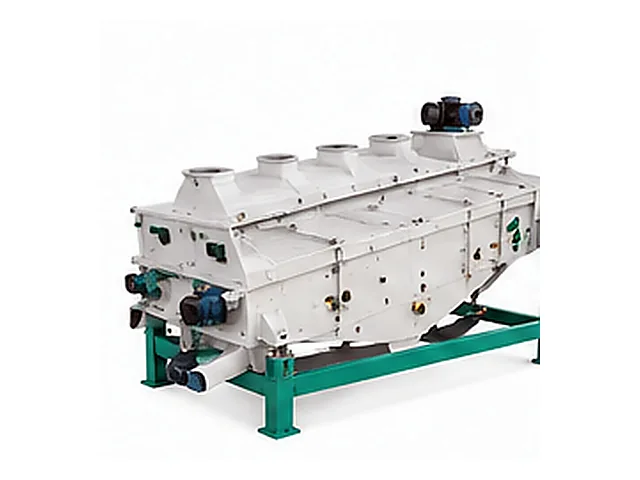
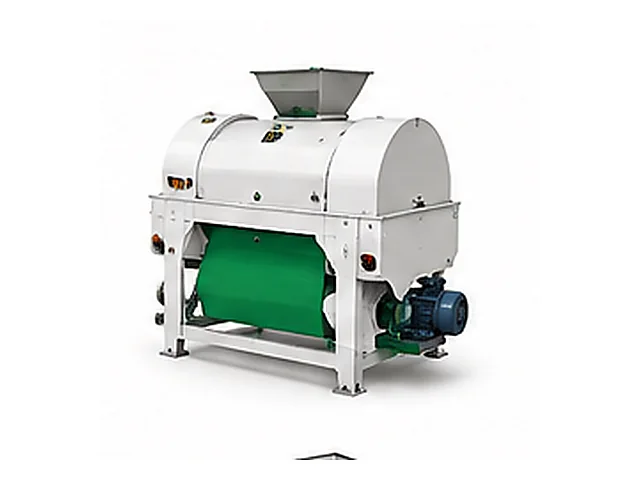
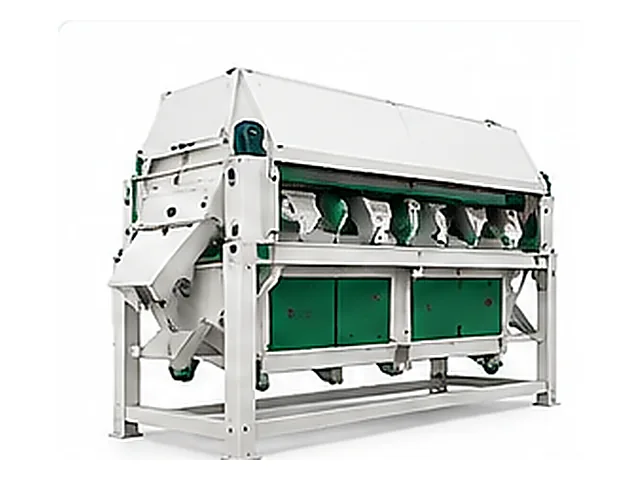
Combine-harvested paddy arrives with wet straw, bearded awns, mud clods, and field stones that wreak havoc on downstream dryers and hullers. Staging a rotary scalper, gentle de-awner, air-screen cleaner, and specific-gravity destoner ahead of the husking section eliminates abrasive trash, prevents bridging, and doubles the service life of rubber hulling rolls.
02 / EQUIPMENTIndented Cylinder Length Grading: Head Rice vs. Second Heads & Brewers
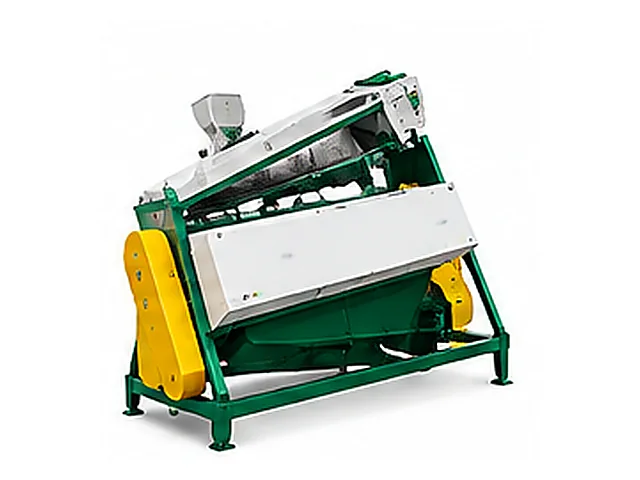
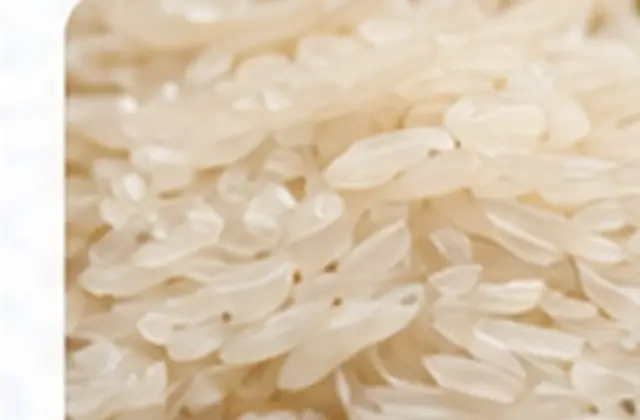
After whitening and water-mist polishing, milled rice contains a mixture of whole kernels, three-quarter 'second heads', half-kernels, and fine brewers grits that share identical width and thickness. Banks of rotary indented cylinders with pocket sizes matched to Japonica, Indica, or Basmati varieties lift shorter broken fractions out of the tumbling bed to guarantee contract broken-rice limits (such as 5% or 10% max).
03 / QUALITYMulti-Chromatic & InGaAs Optical Sorting for Chalky, Peck, and Red Rice
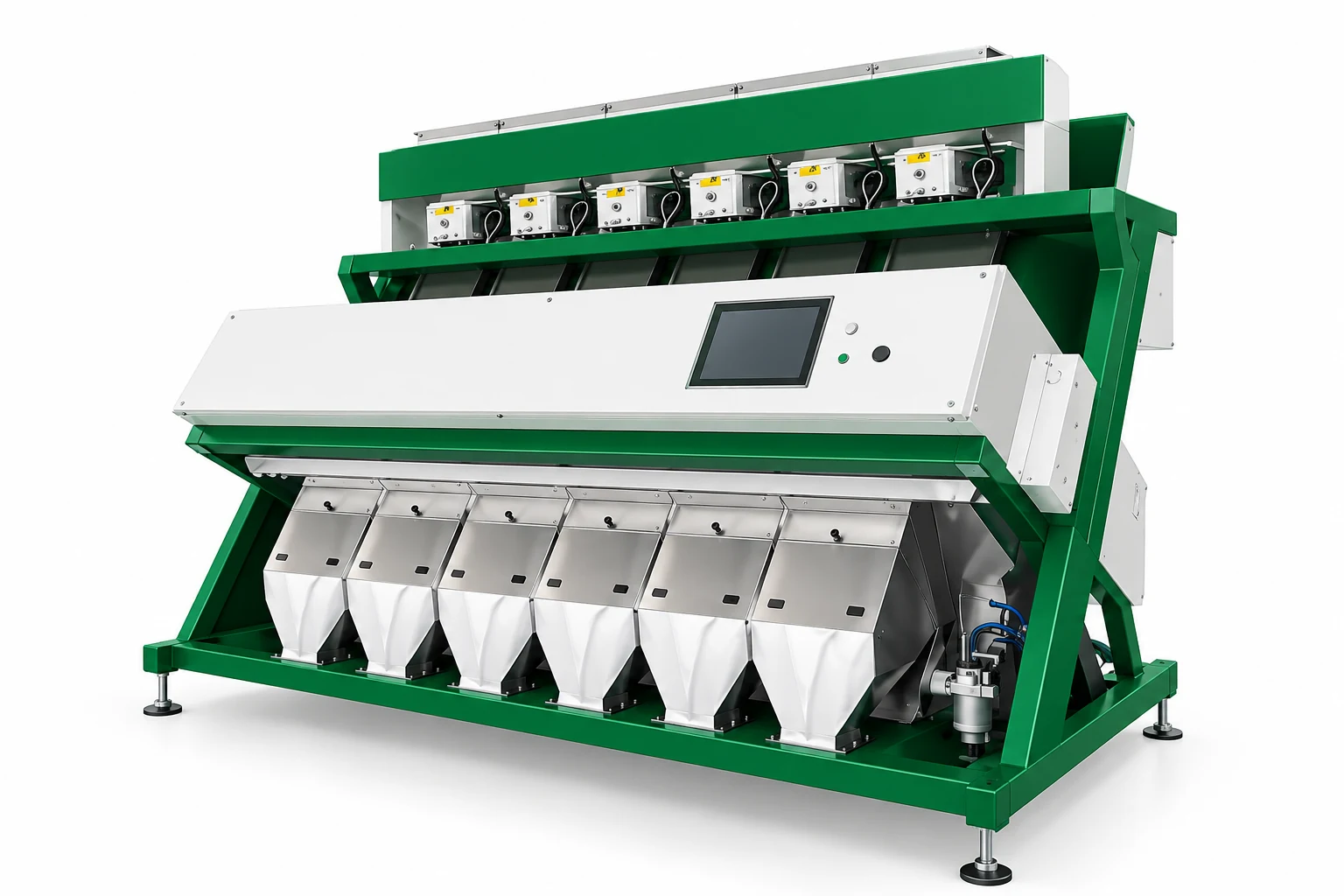
Export and retail rice buyers enforce near-zero tolerances for opaque chalky kernels, black insect-puncture spots (peck), fermented yellow grains, and unpolished red streaks. Modern trichromatic plus SWIR/InGaAs optical sorters inspect every kernel in free-fall, simultaneously ejecting color defects and clear quartz stones or plastic particles that escaped mechanical destoning.
Technical Specification Checklist for Paddy and Rice Milling Lines
- Specify rice cultivar (long-grain Indica, short/medium Japonica, parboiled, or aromatic Basmati), incoming paddy moisture, and awn/straw load.
- Define contract Head Rice Yield (HRY) targets, maximum allowable broken percentage (e.g., 4%, 5%, 15%), and chalky/peck defect tolerances.
- Confirm ceramic or AR-steel wear lining on paddy spouting, multipass tempering dryer stages, and compressed-air quality for optical sorters.
Comparing equipment proposals for a rice processing facility requires distinguishing between rough paddy intake capacity and finished white-rice output. Because paddy husks represent 20 to 22 percent of raw weight and bran removal takes another 8 to 10 percent, a mill producing 10 t/h of polished head rice must be fed by pre-cleaning and drying systems rated for at least 15 to 20 t/h of wet field paddy.
Moisture management is the single greatest determinant of head rice recovery: drying rough paddy more than 2 to 3 percentage points per pass creates internal tensile stress fissures that shatter later in the whitener. Multi-pass recirculating dryers with 6-to-12-hour tempering bins between passes allow internal kernel moisture to equalize before the next gentle thermal exposure.
Engineering Layout and Wear Protection in Rice Conditioning Plants
Because rough paddy husks contain high concentrations of amorphous silica, ordinary carbon-steel chutes and cyclone cones wear through in a matter of months. High-reliability rice plants specify replaceable ceramic tile liners, polyurethane impact pads, or hardened AR400 steel at every paddy transfer elbow and aspiration transition.
When evaluating a raw paddy sample in the laboratory, technicians must separately quantify five components: coarse straw and mud balls, empty sterile florets (blanks), red-pericarp weedy rice, internal fissured (sun-cracked) kernels, and immature green/chalky grains. Each metric directly predicts achievable mill turnout and dictates the required number of optical sorter chutes.
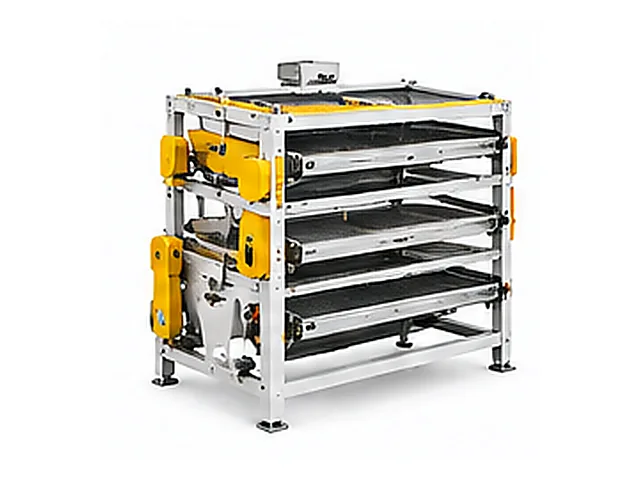
In certified seed paddy plants, whitening and hulling are omitted, and the engineering focus shifts entirely to removing red rice, barnyard grass (Echinochloa), and low-density partially filled spikelets. Combining slotted thickness graders with specific gravity tables and indented cylinders produces plump, high-vigor seed paddy with germination rates exceeding 90 percent.
Core Machinery for Paddy Pre-Cleaning, Hulling, and Rice Grading

 Cleaning & Pre-Cleaning