
Gravity Separator & Gravity Separation Machine Guide
Learn how gravity separators distinguish material by density, which factors affect separation quality, and how to specify a gravity separation machine.
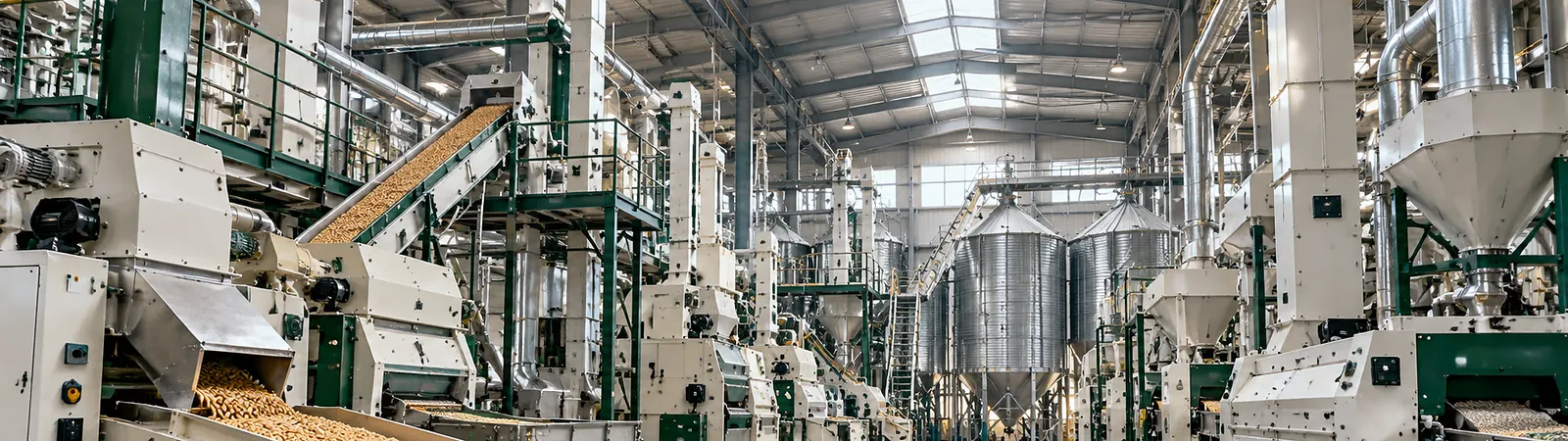
Gravity Separator / Gravity Separation Machine
Density-based separation
A gravity separator uses a controlled air stream and a vibrating or fluidised deck to separate particles with different specific weights. Material of similar size can behave differently because of density, maturity or internal quality, so gravity separation may complement screening and optical sorting when the product specification requires it.
Results depend on feed uniformity, moisture, airflow, deck settings, feed rate and the difference in density between good product and rejects. The machine should be adjusted for the actual crop and target fractions. Capacity and separation quality must be assessed together because pushing more material through can reduce selectivity.
Selection checklist
- Crop, size range and density differences
- Incoming moisture and feed consistency
- Target fractions and acceptable product loss
- Airflow and deck adjustment range
- Access for calibration, cleaning and maintenance
Frequently Asked Questions
What does a gravity separator separate?
It separates material by differences in density and aerodynamic behaviour, typically using vibration and controlled airflow.
When is gravity separation useful?
It can remove lighter, shrivelled or less-dense fractions after appropriate pre-cleaning and size preparation.
Why does feed uniformity matter?
A consistent feed layer helps maintain stable airflow and separation across the deck.
Does it separate by size?
It is not primarily a size grader; size differences can affect performance, so upstream sizing may be needed.
How is airflow adjusted?
Airflow is tuned to the crop and target fraction during trials; excessive or insufficient air can reduce separation quality.
Can it process different seeds?
Often, but deck settings, airflow, vibration and feed rate must be adjusted for each product.
Is pre-cleaning recommended?
Yes. Removing dust and oversized impurities first usually improves stability and separation efficiency.
How do I evaluate separation quality?
Test samples from each outlet for purity, recovery and the distribution of light and heavy fractions.
What affects capacity?
Crop type, moisture, density variation, feed uniformity and the required separation quality affect throughput.
What data is needed for machine selection?
Provide crop, moisture, impurity profile, target fractions, throughput and representative samples.
How to specify the right machine
Define the crop, incoming condition, target output, throughput and available utilities before selecting equipment. A clear technical brief makes proposals easier to compare on an equivalent basis.
Discuss your project ↗