
Optical Color Sorter & Optical Sorting Machine Guide
Learn how optical color sorters detect visible defects, which factors affect sorting performance, and how optical sorting complements mechanical cleaning.
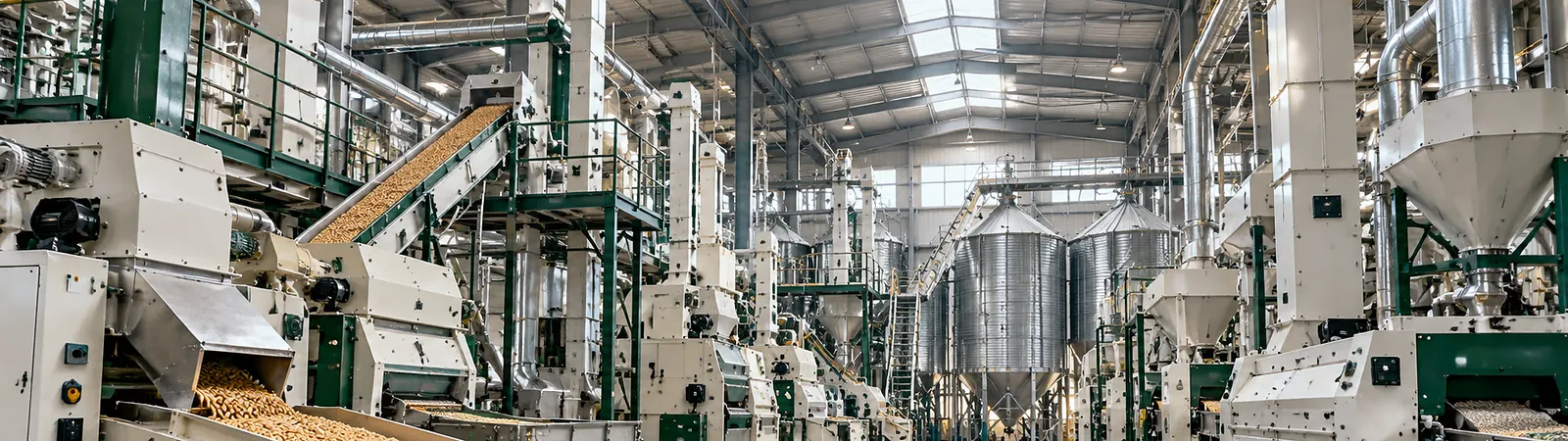
Optical Color Sorter / Optical Sorting Machine
How optical sorting works
An optical color sorter uses cameras or optical sensors to inspect product as it passes through a controlled feed stream. Items that differ from configured visual criteria can be rejected using targeted air jets. It is typically positioned after suitable mechanical cleaning and sizing so product is presented consistently to the sensors.
Performance depends on colour contrast, defect type, feed uniformity, lighting, channel configuration and recipe setup. Define the target defects and acceptable product loss before comparing machines. Optical sorting is often complementary to air-screen cleaning, grading and density separation rather than a replacement for every mechanical stage.
Selection checklist
- Crop, colour range and target defect examples
- Required purity and acceptable good-product rejection
- Feed preparation and stable product distribution
- Channel count, recipe adjustment and operator training
- Test results using representative product samples
Frequently Asked Questions
How does an optical color sorter work?
Sensors inspect individual items and an ejection system removes pieces that differ from the selected visual criteria.
Which defects can it detect?
Detection depends on sensor type and contrast; colour, stains and some foreign materials may be identifiable after testing.
Why is feed distribution important?
A stable, evenly distributed feed helps the sensors inspect items consistently and improves sorting performance.
Does the product need pre-cleaning?
Usually yes. Dust and excess impurities can interfere with inspection and reduce sorting stability.
Can one recipe suit every crop?
No. Recipes and thresholds normally need to be configured for each crop, defect and quality target.
What affects sorting accuracy?
Defect contrast, feed rate, product presentation, lighting, sensor configuration and ejection settings all matter.
How is good-product loss controlled?
Tune sensitivity and ejection timing with representative samples, balancing defect removal against acceptable loss.
Can it remove defects that look like the good product?
Performance may be limited when colour or surface contrast is weak; a product test is essential.
What utilities are required?
Requirements vary by model; confirm electrical supply, compressed air, dust extraction and installation conditions.
What should I send before requesting a quote?
Provide crop samples, defect examples, target purity, capacity and the acceptable level of good-product loss.
How to specify the right machine
Define the crop, incoming condition, target output, throughput and available utilities before selecting equipment. A clear technical brief makes proposals easier to compare on an equivalent basis.
Discuss your project ↗