Home›Machines›Seed Polisher Machine – Canvas Type
Seed Polisher Machine – Canvas Type
MACHINERY CATALOGUE

Seed Polisher Machine – Canvas Type

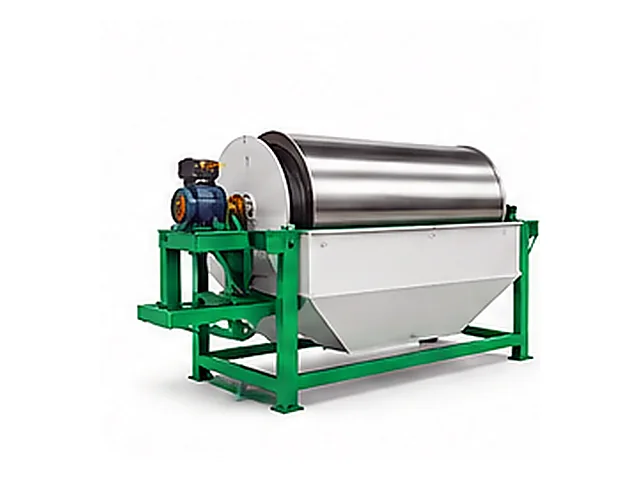
The Seed Polisher Machine – Canvas Type imparts a high-gloss retail finish to delicate pulses, dry beans, and smooth-coated seeds using soft woven-textile friction rather than bristle tips. By buffing kernels against heavy-duty canvas surfaces inside an aspirated chamber, the unit achieves mirror-like shine without scratching thin seed coats.

Machines ↗

Overview

Cleaned product enters the Seed Polisher Machine – Canvas Type and travels through a conditioning zone where moving canvas belts or fabric-wrapped buffing elements rub gently against the tumbling seed bed. Soft textile contact redistributes natural seed-coat waxes into a lustrous sheen while vacuum extraction draws loosened micro-dust out of the housing.

Technical Specifications

Technical ParameterSPC-05SPC-10SPC-15SPC-25
Processing Capacity3 – 6 t/h7 – 12 t/h13 – 18 t/h19 – 25 t/h
Hulling / De-Awning / Conditioning Uniformity98.0% – 99.0% homogeneous processing98.5% – 99.2% homogeneous processing99.0% – 99.5% homogeneous processing99.2% – 99.5% homogeneous processing
Total Motor Power2.2 kW4.0 kW7.5 kW11.0 kW
Rotor / Drum Working Diameter400 mm500 mm600 mm750 mm
Aspiration / Husk Extraction Airflow2,500 m³/h4,200 m³/h6,000 m³/h8,500 m³/h

The capacity and power ranges indicated in the table may vary depending on the crop type to be processed, initial foreign matter rate, moisture level, and machine configuration. Exact performance and actual measurement values are finalized following the engineering design and process detailing of the plant to be installed.

Selection and integration

Selecting a Seed Polisher Machine – Canvas Type focuses on seed-coat delicacy, desired retail gloss level, throughput rate, and fabric contact area. Crops with thin, brittle pericarps that might show micro-scratches under stiff brushes respond exceptionally well to broad-area woven textile buffing.

Key points to specify

  • Confirm the crop, variety and incoming condition for Seed Polisher Machine – Canvas Type.
  • Do not assume a standard setting for the “Seed Polisher Machine – Canvas Type” unit; test treatment objective, seed condition, feed arrangement and the following process on the intended material and document the accepted result in the technical offer.
  • Agree the crop condition and target for the “Seed Polisher Machine – Canvas Type” unit before installation, then verify treatment objective, seed condition, feed arrangement and the following process against the actual sample.
  • The line drawing for the “Seed Polisher Machine – Canvas Type” unit should identify product transfer, service space and interfaces with upstream and downstream equipment; record the product conditions summarized by treatment objective, seed condition, feed arrangement and the following process.

GUIDE · TECHNICAL SELECTION

What is this machine used for?

A Seed Polisher Machine – Canvas Type uses soft, heavy-duty woven fabric surfaces to buff dry beans, kabuli chickpeas, lentils, and specialty seeds to a brilliant natural lustre. Textile-on-seed rubbing polishes the outer cuticle gently without splitting dry cotyledons or scuffing delicate seed coats.

01

The role in the process

Positioned at the very end of an edible pulse or specialty seed cleaning line—just before retail bagging or final optical inspection—the Seed Polisher Machine – Canvas Type provides the finishing touch that distinguishes premium-grade packs. It removes the chalky dullness left after dry gravity grading and destoning.

As seeds roll between and against the moving canvas surfaces, mild frictional warmth and soft cloth wiping smooth out microscopic wax irregularities on the seed cuticle. Simultaneously, an overhead aspiration hood evacuates the ultrafine powder released during buffing so bags stay completely dust-free.

02

Material and application suitability

Large white kidney beans, cranberry beans, black-eyed peas, kabuli chickpeas, green and red lentils, broad beans, and high-value ornamental or vegetable seeds are prime candidates for canvas buffing. Because woven fabric flexes and cushions impact across a wide contact patch, even low-moisture pulses pass through without cracking.

Buffing performance depends on maintaining clean, dry canvas surfaces and matching chamber fill level to the flowability of the pulse variety. Operators adjust the outlet retention gate and drive speed on a representative sample until the desired surface brilliance is reached.

03

Selection checklist

Before specifying a Seed Polisher Machine – Canvas Type, identify the pulse or seed varieties to be polished, target hourly capacity, acceptable split-kernel ceiling, and placement relative to optical sorters or bagging scales. Confirm spare canvas belt or sleeve inventory for uninterrupted seasonal operation.

Coating uniformity tests confirm even active-ingredient distribution without pericarp abrasion. Gentle mixing action and calibrated liquid atomization suit delicate legume cotyledons, hybrid corn, and small coated seeds. Cleanout doors simplify variety changeovers. Air and feed controls lock repeatably.

Integration into a processing line

Plant layout and interface planning

Install the Seed Polisher Machine – Canvas Type directly above the final packaging surge hopper or gentle belt conveyor so freshly buffed beans do not slide down long abrasive metal spouts. Provide clear side aisle space so operators can open the housing doors and swap canvas elements effortlessly.

Link the housing exhaust spigot to a filtered dust collector sized to maintain steady negative pressure inside the polishing zone without lifting whole seeds. Ensure incoming product has already passed through stones and metal removal so sharp foreign objects cannot tear the woven canvas fabric.

Factors that affect operating performance

Over time, natural seed oils and fine clay can glaze the weave of the canvas, reducing friction and dulling the final polish. Modular fabric mountings let maintenance staff unclip soiled canvas sections for laundering or replacement in a matter of minutes.

Process quality and line integration

When used ahead of seed coating equipment, canvas buffing wipes away loose cuticle dust so polymer film coatings adhere with uniform brilliance and lower chemical demand. In commercial pulse plants, the deep natural shine produced by cloth polishing commands top market grading.

Frequently asked questions

When should a canvas polisher be chosen over a brush-type seed polisher?

A canvas polisher is preferred when processing thin-skinned dry beans, large pulses, or specialty seeds where bristle tips could leave micro-scratches or increase split percentages. Woven textile surfaces distribute contact pressure gently over a broad area, buffing the natural cuticle wax to a high-gloss sheen.

How is the polishing effect controlled for different bean and pulse varieties?

Operators regulate the buffing intensity by adjusting the drive speed via the frequency inverter, setting the discharge retention gate to vary seed residence time, and adjusting canvas tension. Sample inspection at the outlet lets the operator lock in maximum shine without mechanical damage.

How often do the woven canvas polishing elements need maintenance or replacement?

Service life depends on the abrasiveness and oil content of the crops handled, but quick-release tensioners allow operators to inspect, vacuum, or swap fabric aprons during routine shift maintenance. Keeping stones and sharp trash out of the feed via upstream cleaning greatly extends canvas life.

REQUEST A TECHNICAL REVIEW

Seed Polisher Machine – Canvas Type

Share your bean, pulse, or seed varieties and hourly capacity targets with our team to specify a Seed Polisher Machine – Canvas Type tailored to your finishing line.