Home›Flaxseed
Flaxseed Processing
Oilseeds

Flaxseed Processing

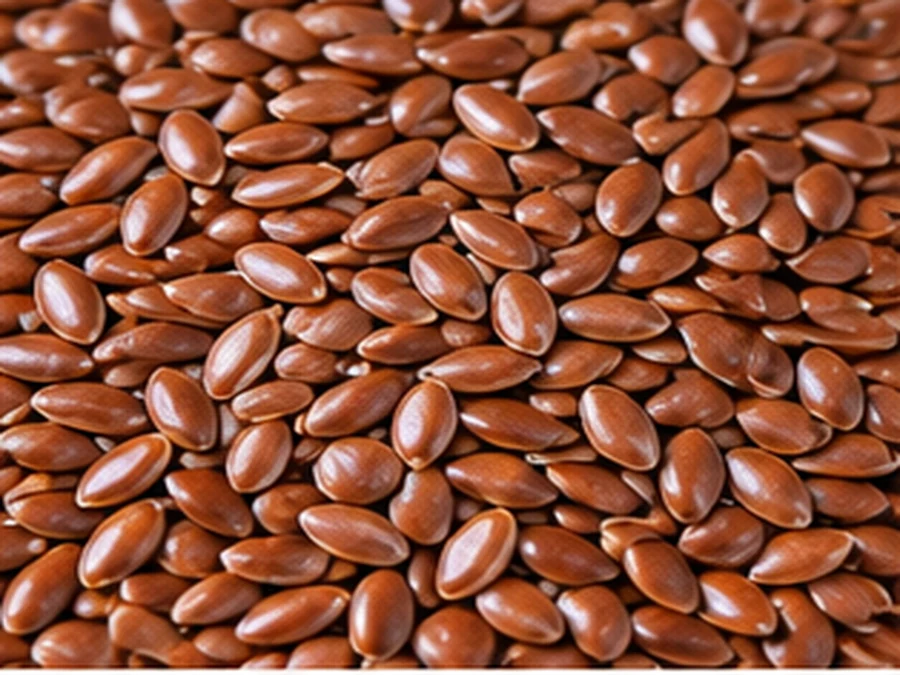
Flaxseed—also traded globally as linseed—presents unique mechanical separation challenges due to its flat-oval lenticular geometry, ultra-smooth mucilaginous seed coat, and low terminal air velocity. Industrial conditioning lines must eliminate fibrous capsule fragments, round oilseed weeds such as false flax (Camelina sativa), and fine mineral grit without blowing viable seeds into the aspiration cyclone. Precision air-screen sifting, indented cylinder length pockets, specific gravity tables, and bichromatic optical sorters form the backbone of modern food-grade and crushing-grade flaxseed plants.

Open catalogue

Industrial Process Stages for Cleaning and Sorting Brown and Golden Flaxseed

Processing flaxseed from raw combine harvest to 99.95 percent bakery or oil-pressing purity requires a carefully damped multi-stage workflow. Because the glossy seed flows like a liquid and slips rapidly across perforated metal, each machine stage must control bed velocity, air-sieve differential pressure, and pocket geometry.

01Receiving
02Pre-cleaning
03Separation
04Grading
05Sorting
06Storage
07Packaging

Machinery Selection for Flaxseed Screening, Destoning, and Optical Purification

Selecting equipment for a linseed conditioning facility demands specialized fine-aperture sieve decks, low-turbulence aspiration chambers, and high-frequency optical ejection valves. Standard cereal configurations will either blind rapidly with oily dust or suffer severe good-seed carry-over into the light reject stream.

Pre-CleanerCleaning & Pre-Cleaning

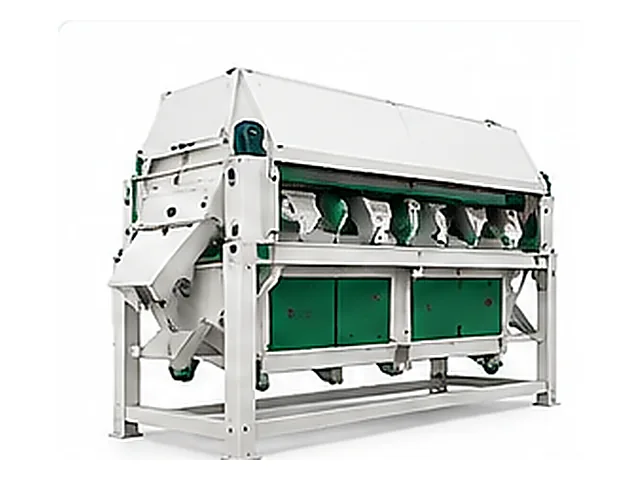
Pre-Cleaner

Scalps tough fibrous flax stems, uncrushed seed bolls, and coarse field trash across 5–40 t/h receiving lines before the seed enters storage bins. Removing tangled stem fibers at intake prevents bridging inside hopper cones and keeps fine downstream screens from matting over.

5–40 t/h↗
Air Screen CleanerCleaning & Pre-Cleaning

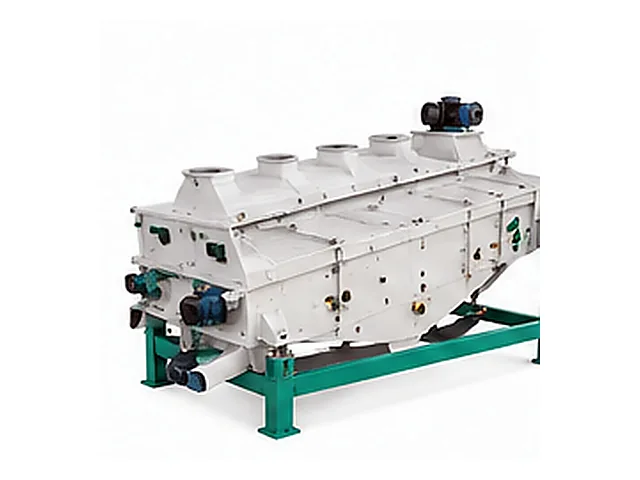
Air Screen Cleaner

Utilizes combinations of small round top perforations and narrow 1.0 to 1.4 mm oblong bottom slots (rated 3–30 t/h) to partition fine sand and weed seeds from flat flaxseed. Precision feed rolls distribute the slippery seed evenly across the full deck width without surging.

3–30 t/h↗
DestonerSeparation

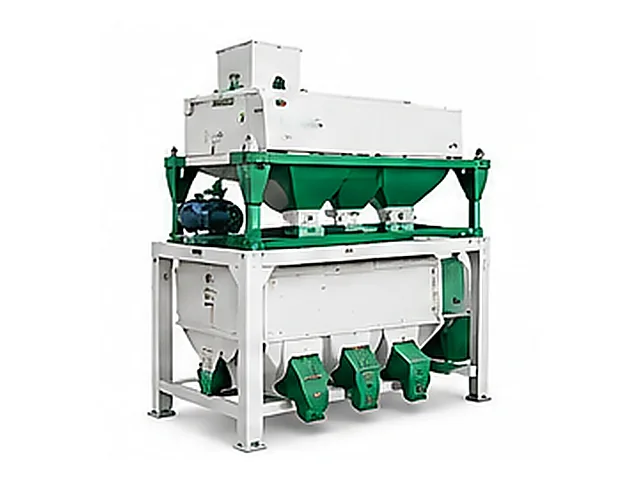
Destoner

Isolates dense quartz sand grains and soil grit of identical dimensions to flaxseed across a 2–25 t/h fine-weave wire-mesh deck with calibrated upward airflow. Eliminating micro-stones is mandatory both for human bakery products and to prevent screw-press barrel scoring in cold-pressed linseed oil mills.

2–25 t/h↗
Gravity SeparatorSeparation

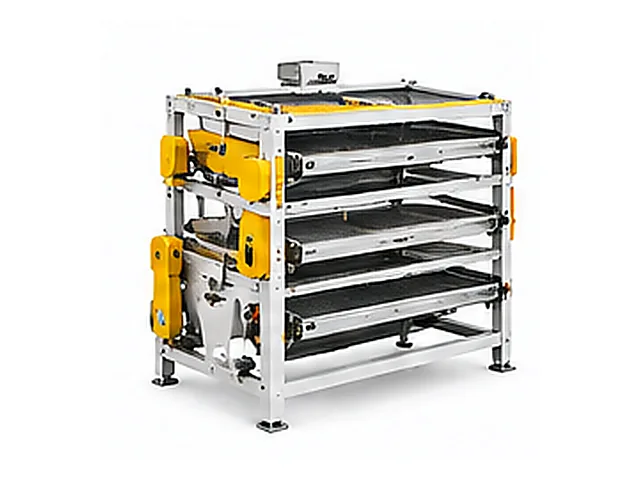
Gravity Separator

Stratifies pre-sized flaxseed by bulk density across 1–20 t/h conditioning runs to separate immature, hollow, frost-damaged, or insect-hollowed seeds from oil-rich kernels. Fine deck inclination and eccentric speed controls keep the low-friction seed bed stable across the triangular separation surface.

1–20 t/h↗
Optical Color SorterOptical Sorting

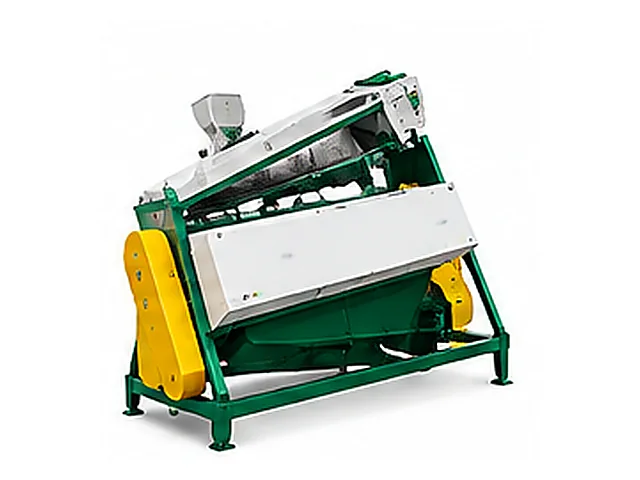
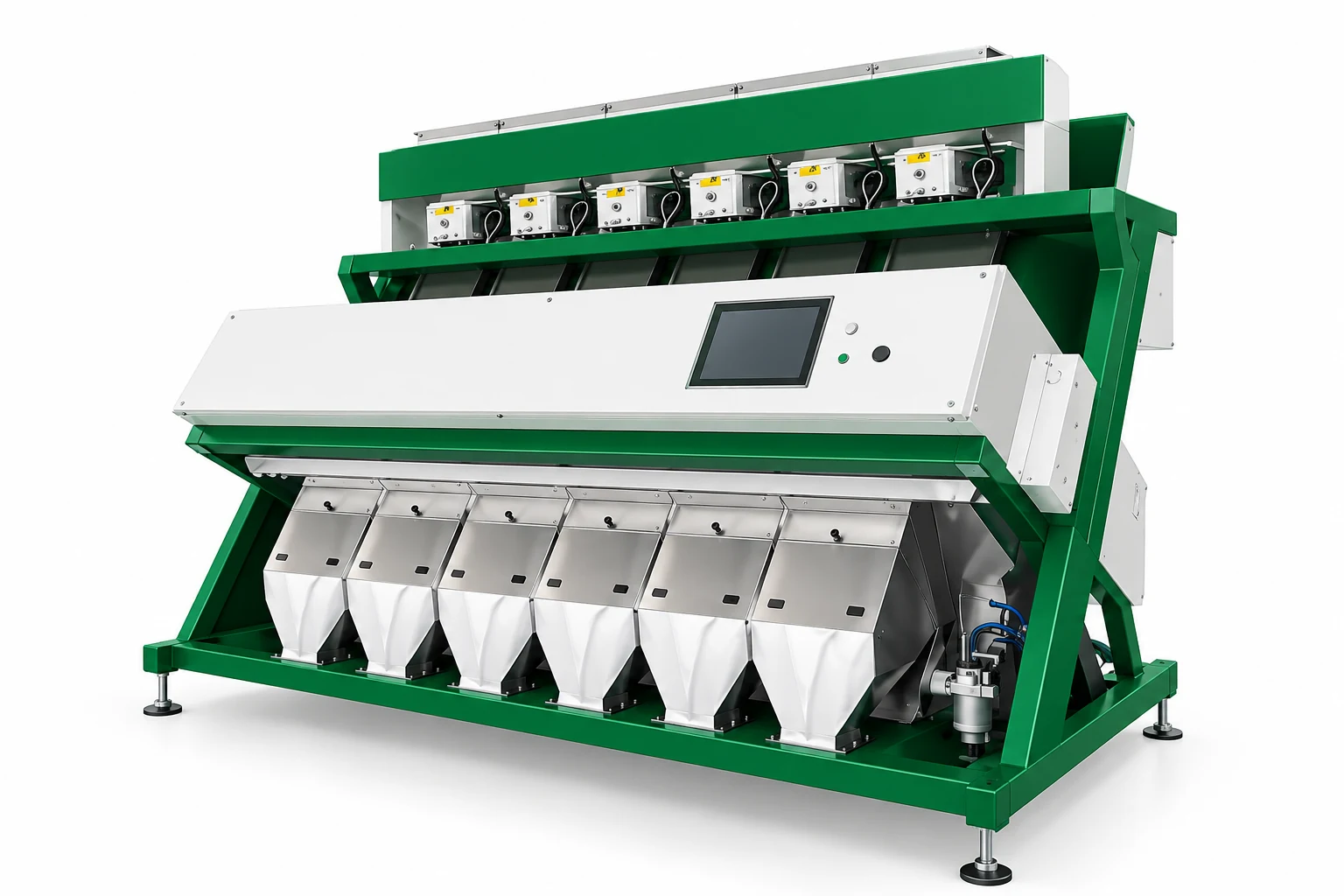
Optical Color Sorter

Inspects individual flaxseeds in free-fall (1–20 t/h) via high-resolution RGB and NIR cameras to eject dark oxidized seeds from golden flax lots, green immature kernels, and weed seeds. High-speed micro-ejectors minimize good-seed loss despite the tiny particle mass.

1–20 t/h↗
Seed GraderGrading & Sizing

Seed Grader

Grades conditioned flaxseed into uniform thickness and length fractions (2–30 t/h range) while extracting round contaminants like wild mustard and cleavers via indented cylinder segments. Smooth internal transitions prevent mucilage buildup and cross-contamination between golden and brown linseed runs.

2–30 t/h↗
DehullerProcessing

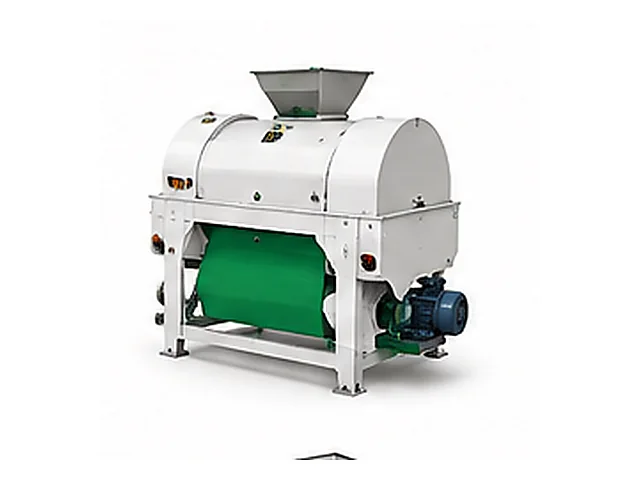
Dehuller

Gently cracks dry, brittle flax bolls and unthreshed capsules across 1–12 t/h decortication modules without crushing the high-oil cotyledons inside the thin testa. Releasing trapped seeds from unbroken bolls recovers valuable yield that would otherwise be scalped off with coarse trash.

1–12 t/h↗
Bucket ElevatorConveying & Elevation

Bucket Elevator

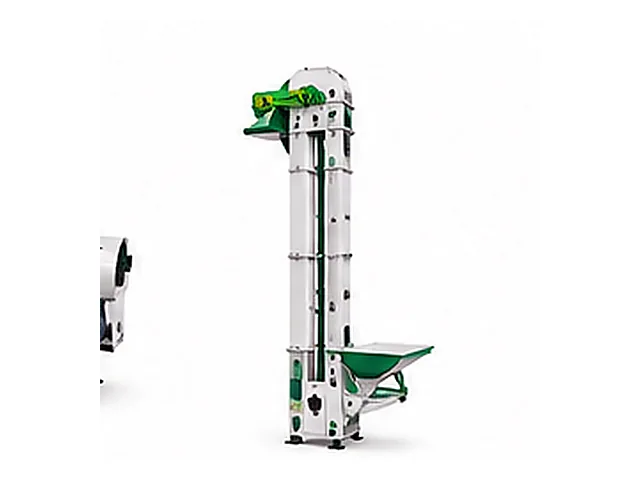
Transports high-flowability flaxseed upward at 5–100 t/h through tight-tolerance boot casings designed to eliminate bottom seed accumulation and oil smear. Seamless bucket lips and anti-static belting prevent small, slick seeds from wedging or leaking at transfer points.

5–100 t/h↗
SEED PROCESSING GUIDE

Flaxseed Conditioning Engineering: Managing Slippery Flow, Low Terminal Velocity, and Weed Seeds

Engineering a high-recovery flaxseed processing line requires overcoming two physical traits: extreme seed slipperiness and an aerodynamic drag coefficient very close to that of chaff and capsule fragments. If sieve angles are too steep, flaxseed races across the deck before fine sand can drop through the bottom perforations; if aspiration velocity is set too high, flat viable seeds lift straight into the dust collector. Successful plants combine shallow-pitch sifters, indented cylinders, fine-mesh destoners, and optical sorters.

01 / PROCESS

Separating Round Weed Seeds and Camelina from Flat Flaxseed

Field-grown flax is frequently contaminated with wild mustard, pigweed, and false flax (Camelina), which overlap the crop in width and weight. By pairing narrow oblong slotted screens with indented cylinders, processors exploit shape differences: round weed seeds drop into hemispherical indents and are lifted into the reject trough, while elongated flat flaxseeds slide clear.

02 / EQUIPMENT

Micro-Mesh Destoning and Airflow Control for Tiny Oilseeds

Harvested flaxseed often carries quartz sand particles measuring 1.5 to 2.5 mm that pass through top scalping screens and remain with the prime product. A fine-mesh destoner operating with laminar air distribution floats the lighter oilseed bed while vibrating the dense mineral grains uphill, achieving stone-free bakery specifications without losing flat seeds over the tail.

03 / QUALITY

Preserving Seed Coat Integrity and Preventing Mucilage Smearing

With oil content exceeding 40 percent and a water-soluble mucilaginous epidermis, flaxseed quickly fouls machinery if subjected to high-shear impacts or damp conditions. Keeping moisture below 9.5 percent and eliminating high-speed screw conveyors prevents crushed-seed oil film from blinding fine screen apertures and attracting dust.

Technical Specification Checklist for Flaxseed Cleaning Facilities

  • Quantify incoming moisture content, unthreshed boll percentage, fine silica sand load, and botanical weed seed profile per kilogram.
  • Establish final purity targets—such as 99.95% for bakery golden flax or 98.5% for expeller pressing—and maximum broken-testa limits.
  • Verify fine-screen open-area percentages, anti-blinding ball deck configurations, and dust-tight boot seals on all vertical elevators.

Before finalizing equipment sizing for a flaxseed project, run laboratory sieve and aspiration trials on your dirtiest expected field lot. Supplier proposals must specify the exact perforation sizes—typically 2.8 to 3.5 mm round scalping sieves and 1.1 to 1.3 mm slotted sand sieves—along with guaranteed clean-seed recovery and maximum good-seed percentage in the reject streams.

Plant layout for linseed processing must address the extreme fluidity of the seed, which leaks through microscopic flange gaps and slides backwards on standard inclined belts. All spouting, slide gates, and hopper transitions require precision gaskets, while inspection hatches must be flush-mounted to prevent dead pockets when switching between brown and golden varieties.

Key Engineering Principles for High-Purity Linseed Lines

During raw sample evaluation, separate the foreign matter into four distinct engineering categories: coarse fibrous stems and bolls, ultra-light capsule chaff, round weed seeds of matching thickness, and heavy mineral grit. Each fraction dictates a specific machine setting, ensuring the air-screen cleaner is not overloaded trying to perform density or length separations.

Pre-cleaning at receiving removes fibrous flax straw and green weed seeds that would otherwise cause heating and mold formation in storage silos. Once stabilized, the fine-cleaning line runs at a lower, metered feed rate where thin-layer screening and gravity table stratification can achieve export-grade purity.

Optical color sorting serves as the decisive polishing step for culinary and retail-packed flaxseed, especially when upgrading golden varieties contaminated with dark brown off-types or sclerotia fragments. Positioning the optical sorter after destoning and gravity separation keeps dust off the camera glass and maximizes first-pass accept yield.

Specialized Separators and Graders for Flaxseed Conditioning

Flaxseed Processing FAQ: Screening, Weed Removal, and Purity Control

Why do fibrous flax stems tend to bridge in hoppers and block pre-cleaner screens?

Flax stalks contain high-tensile bast fibers that wrap around shafts and weave into mats across flat sieve surfaces during vibration. Using a rotary drum pre-cleaner or an air-screen scalp deck fitted with oversized elongated slots and positively driven feed rolls clears tangled straw immediately at intake.

How do you prevent flat flaxseeds from blowing into the light reject stream during aspiration?

Because flaxseed has a high surface-area-to-mass ratio, excessive vertical air velocity easily entrains sound seeds along with capsule chaff. Multi-chamber aspiration channels with stepped expansion zones and precision micrometer air dampers allow operators to float off hollow hulls at low air speeds while dense seeds drop cleanly through the curtain.

What is the most effective way to separate golden flaxseed from brown off-types and dark weed seeds?

Golden and brown flaxseeds are identical in size, shape, and specific gravity, making mechanical separation impossible. High-resolution bichromatic optical sorters equipped with narrow-pitch chutes and fast pneumatic ejectors detect subtle reflectance differences to strip dark brown seeds, charred particles, and polygonum weeds at commercial throughputs.

Why must moisture be strictly controlled before fine-screening or crushing flaxseed?

Even minor surface dampness activates the hydrophilic mucilage layer on the flaxseed coat, turning the seed mass sticky and causing severe screen blinding. Conditioning and storing flaxseed below 9 to 10 percent moisture preserves its free-flowing character and prevents oily paste buildup inside graders and destoners.

How do indented cylinders complement air-screen cleaners in a certified linseed line?

While slotted and round screens separate impurities that are thicker or narrower than flaxseed, small spherical weed seeds like Brassica and Galium pass through the same sieve apertures. Indented cylinders with 2.0 to 2.5 mm pockets lift these short round contaminants out of the elongated flaxseed stream, raising botanical purity above 99.9 percent.