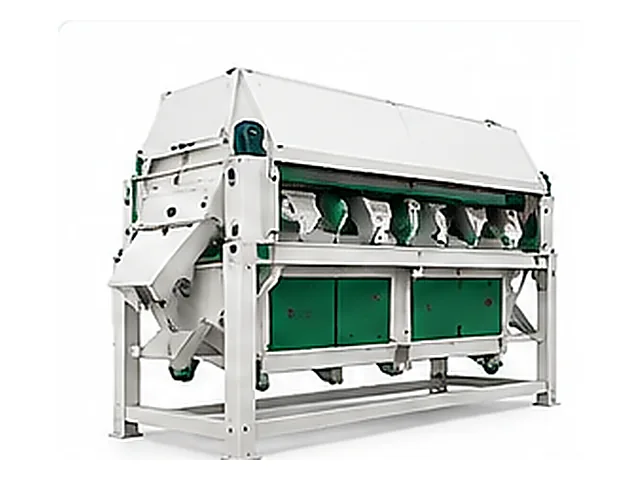
 Cleaning & Pre-Cleaning
Pre-Cleaner
Scalps out subterranean quartz sand, soil clods, peanut vine stems, and lightweight empty 'pop' pods across a 5–40 t/h intake stream prior to pod curing or shelling.
5–40 t/h↗

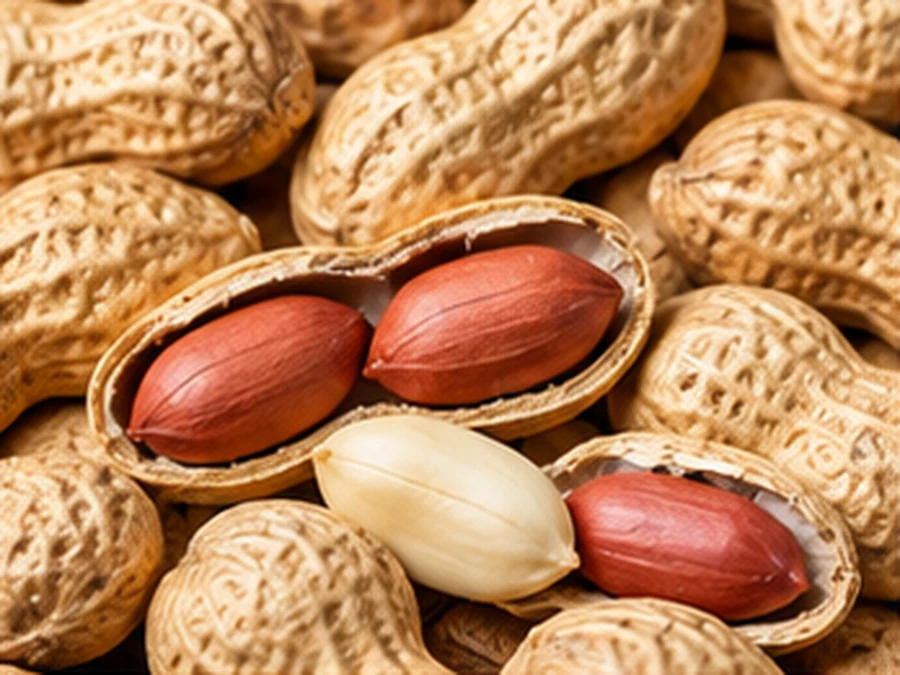
Industrial peanut (groundnut) processing facilities—conditioning Virginia, Runner, Valencia, and Spanish cultivars for in-shell roasting, raw redskin kernel exports, or blanched confectionery production—must deal with heavy subterranean soil contamination and high aflatoxin food-safety risks. Because peanut pods develop underground, field-dug lots arrive containing abrasive quartz sand, pebbles, vine sticks, immature 'pops' (empty pods), and loose shelled kernels (LSK). Engineering a high-yield peanut plant integrates pod pre-cleaning, destoning, pod-size pre-grading, ribbed-cylinder mechanical shelling with concave bar grates, pneumatic hull aspiration, specific-gravity separation, dry roller blanching, and InGaAs optical sorting.
Maximizing whole redskin and blanched peanut kernel recovery requires removing abrasive field sand and stones before shelling, pre-sizing pods into matched shelling cylinders, and isolating low-density moldy kernels.
Machinery across a commercial peanut shelling and blanching plant is engineered to protect fragile cotyledon halves, strip fibrous hulls, and eliminate Aspergillus-contaminated kernels.
Cleaning & Pre-CleaningScalps out subterranean quartz sand, soil clods, peanut vine stems, and lightweight empty 'pop' pods across a 5–40 t/h intake stream prior to pod curing or shelling.
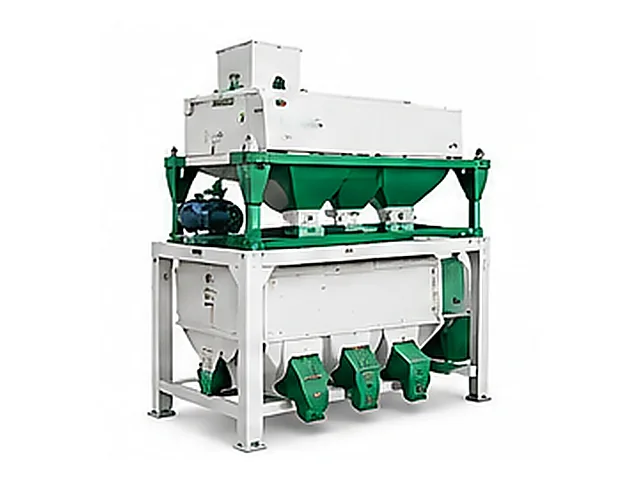 Separation
Classifies shelled groundnuts by bulk density across a 1–20 t/h air deck, separating lightweight mold-damaged kernels, aflatoxin-risk culls, and uncracked nubbin pods.
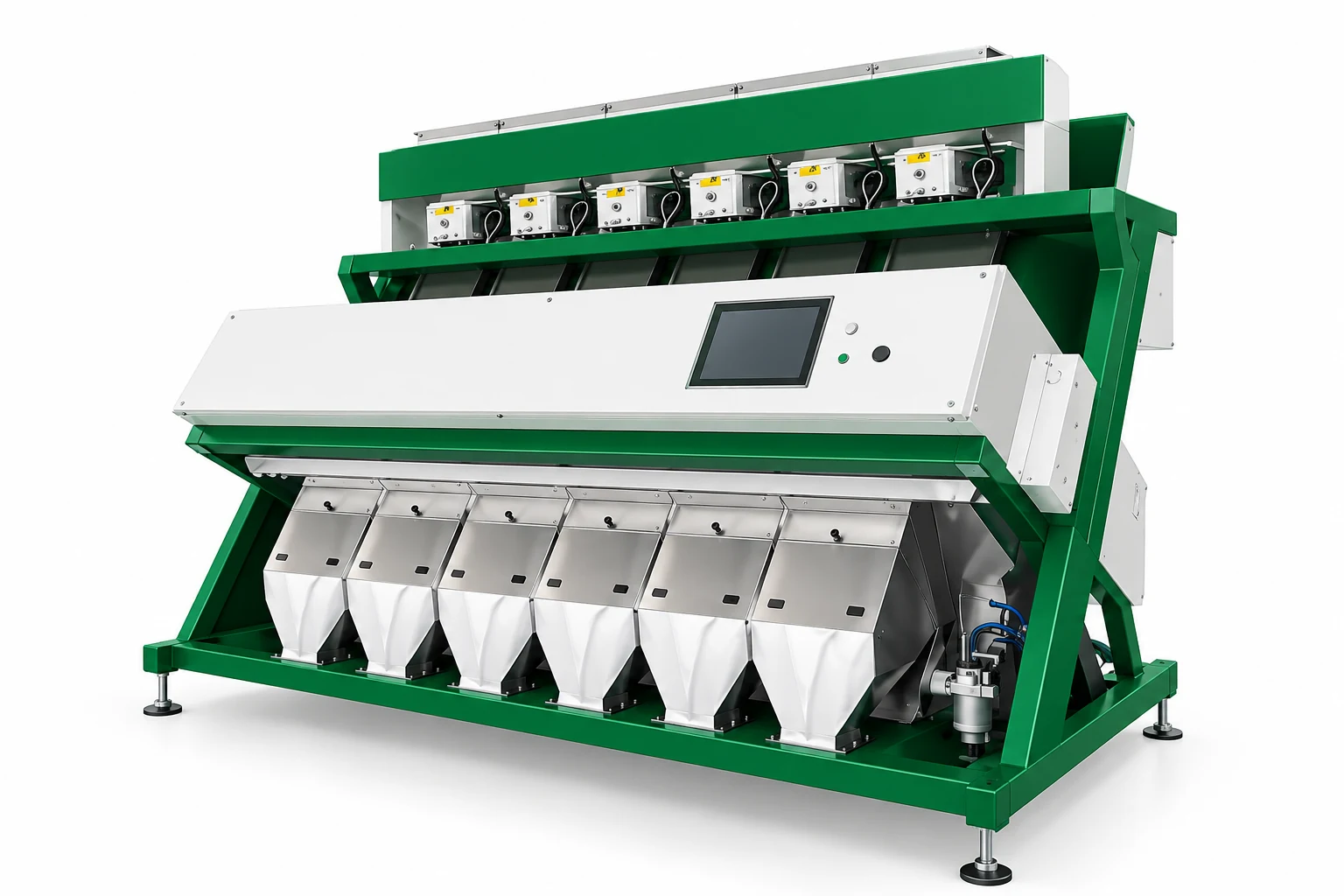 Optical Sorting
Ejects discolored moldy kernels, blistered roasted defects, unblanched redskin remnants, and foreign stones at 1–20 t/h using RGB, UV, and SWIR optical sensors.
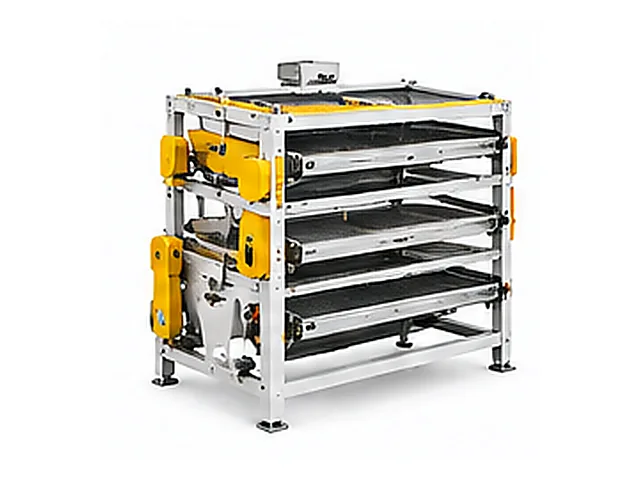 Grading & Sizing
Sizes in-shell Virginia pods for fancy roasting and classifies shelled Runner or Spanish kernels into uniform count-per-ounce grades (e.g., 28/32, 38/42, 40/50) at 2–30 t/h.
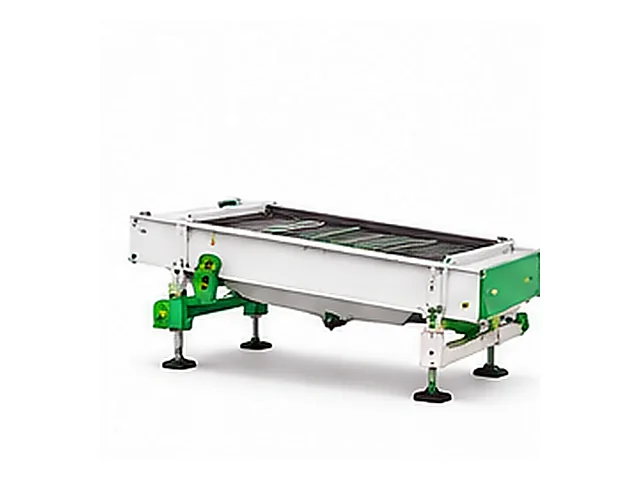 Conveying & Elevation
Transports fragile redskin and blanched whole peanut kernels at 5–120 t/h without sliding friction, preventing skin slippage and split cotyledon generation.
Commercial peanut shelling and kernel conditioning revolve around two critical economic metrics: minimizing mechanical splitting (preserving high-value whole count-per-ounce grades over oil-stock splits) and achieving strict compliance with international aflatoxin limits (such as EU 2–4 ppb B1/total thresholds). Because Aspergillus flavus preferentially colonizes drought-stressed, insect-damaged, and immature lightweight kernels alongside loose shelled kernels (LSK) damaged during harvest, an engineered peanut line combines multi-stage mechanical density separation on specific-gravity tables with bichromatic, UV, and Short-Wave Infrared (SWIR) optical sorting to strip out mycotoxin-bearing nuts.
Harvested peanut pods carry adhered sandy soil, field stones, and tough taproot stems that rapidly wear shelling grates if not removed upfront. After aspirators, drum scalpers, and pod destoners extract stones and loose shelled kernels, pods are size-graded and fed into multi-stage cast-iron shelling cylinders where rotating ribbed beaters press pods against slotted concave bar grates to release redskin kernels while aspirating fibrous hulls.
Discharge from the peanut shellers contains a mixture of whole redskin kernels, split halves, and uncracked smaller pods ('nubbins') that are separated on specific-gravity tables and returned to secondary and tertiary sheller banks with narrower grate slots. Clean whole kernels are then screen-calibrated over slotted and round decks into commercial counts per ounce or routed to multi-zone heat conditioning and rubber-roller blanchers to remove the reddish-brown testa.
Maintaining intact red skins on raw export peanuts requires keeping kernel moisture between 7.5% and 8.5% during shelling and replacing high-impact elevators with slow-speed belt conveyors and cushioned spiral let-downs. To drive aflatoxin levels below parts-per-billion export caps, gravity tables float out low-density moldy kernels before high-resolution RGB/InGaAs optical sorters eject discolored, sour, and shriveled nuts.
Matching concave grate slot width and beater cylinder RPM to the pre-graded pod size is critical to controlling redskin slippage and split-kernel losses. If peanut pods are shelled below 7% moisture or forced through undersized grate slots without prior pod calibration, the brittle seed coat tears and the two cotyledons shear apart, downgrading premium whole kernels into lower-value split grades.
Downstream thermal conditioning and blanching lines require tight temperature control to remove the thin redskin (testa) without splitting the kernel or triggering premature lipid oxidation. Passing calibrated whole kernels through a multi-zone warming oven at 85–95 °C shrinks the cotyledons slightly away from the brittle skin, allowing gentle counter-rotating elastomer rollers and air-suction hoods to strip 99.5%+ of the testa while keeping halves joined.
When comparing engineering proposals for a peanut shelling or blanching facility, verify that the quotation specifies a multi-stage shelling circuit (primary, secondary, and tertiary cylinders with intermediate gravity/paddy separation) rather than single-pass shelling. Contracts must guarantee maximum mechanical split generation, net whole-kernel outturn, zero residual stones, and hull aspiration cyclone efficiency.
During commissioning trials, engineers must sample the pneumatic hull exhaust, gravity separator light rejects, and optical sorter waste chutes to ensure sound small Spanish or Runner kernels are not entrained into the hull boiler fuel bin. Calibrating air-leg velocities and installing a secondary optical resort pass maximizes edible recovery while isolating high-aflatoxin defect streams for separate disposal.
Sanitary layout in a modern peanut plant separates the dusty raw pod intake and shelling bays from positive-pressure clean kernel grading, blanching, and packaging rooms. Eliminating dead corners in chutes, using food-grade belt conveyors, and installing cushioned zig-zag let-down ladders inside steel tempering bins prevent oil build-up, cross-batch contamination, and mechanical splitting.
Loose Shelled Kernels (peanuts whose shells were broken during mechanical harvesting and handling) have direct soil contact and exhibit vastly higher rates of Aspergillus flavus infection and aflatoxin contamination than intact pods. Separating LSKs, soil clods, and shriveled 'pop' pods over pre-cleaning screens and aspiration legs before the main shellers prevents high-risk kernels from contaminating prime whole grades.
Instead of forcing all peanut pods through a single tight grate, a 3-stage shelling plant feeds large pre-graded pods into primary cast-iron cylinders with wide concave bar slots that gently crack only the largest pods. Uncracked smaller pods are separated from shelled kernels on a specific-gravity / paddy table and routed to secondary and tertiary shellers with progressively narrower grate slots, keeping split losses minimal.
Fungal invasion by Aspergillus species consumes internal lipid and protein reserves inside the peanut cotyledon, measurably reducing the kernel's specific gravity before surface discoloration is even fully visible. The specific-gravity separator first floats out these lightweight, mold-compromised and shriveled nuts by density, after which RGB, UV-fluorescence, and InGaAs SWIR optical sorters eject discolored, blistered, and internally decayed kernels.
Industrial whole-peanut blanching relies on precise thermal conditioning followed by gentle mechanical abrasion. Calibrated redskin kernels first pass through a multi-zone conditioning oven where controlled warm air (85–95 °C) loosens the bond between the seed coat and cotyledon, followed by a cooling zone that stabilizes the kernel before soft counter-rotating rubber rollers and vacuum hoods strip the skin without cleaving the halves.
In-shell peanut pods must be cured to below 9.0–10.0% moisture prior to silo storage, while shelled redskin and blanched peanut kernels should be maintained at 6.5% to 7.5% moisture and water activity below 0.65. Refrigerated warehouse rooms held between 5 °C and 9 °C with 60% relative humidity prevent mold resurgence, stop Indian meal moth activity, and arrest free-fatty-acid rancidity in high-oil cultivars.