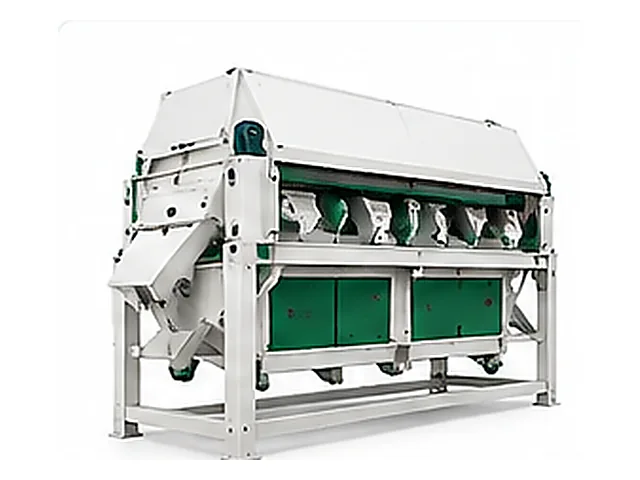
 Cleaning & Pre-Cleaning
Pre-Cleaner
Equipment for a defined process step; final setup depends on crop and target grade.
5–40 t/h↗

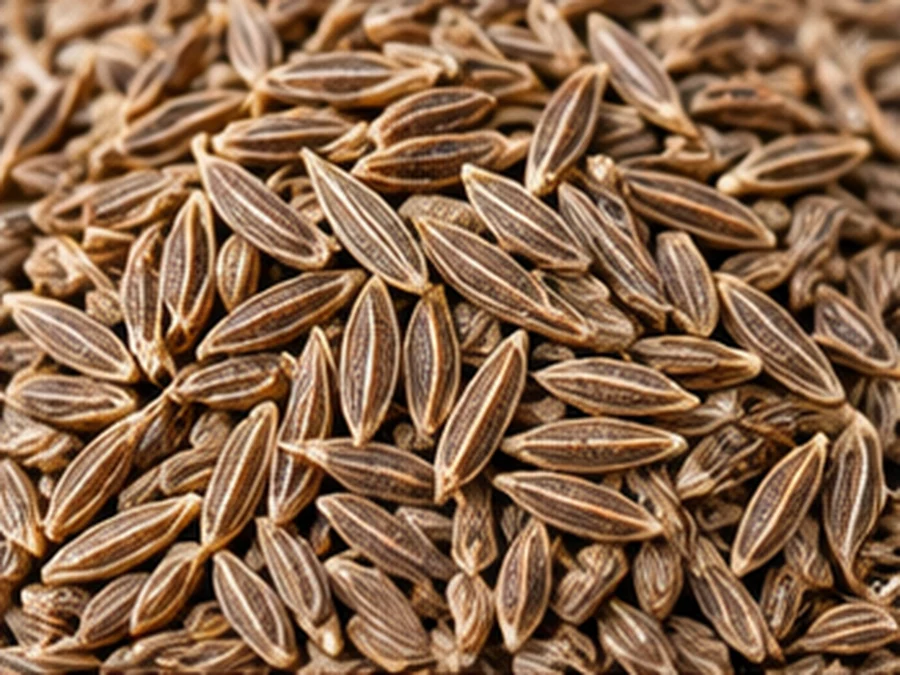
A cumin seed processing line should be planned around the incoming sample and the final product specification. Key considerations include removing dust, stems and light material from small aromatic seeds with fine screening and airflow adjusted to the required purity. These findings help determine whether pre-cleaning, aspiration, screening, density separation or optical sorting is appropriate. The final sequence and throughput should be confirmed using a representative sample and a written supplier offer.
Planning information only: capacity and configuration vary depending on the product and foreign-material profile.
Equipment for cleaning, grading, separation, optical sorting and handling.
Cleaning & Pre-CleaningEquipment for a defined process step; final setup depends on crop and target grade.
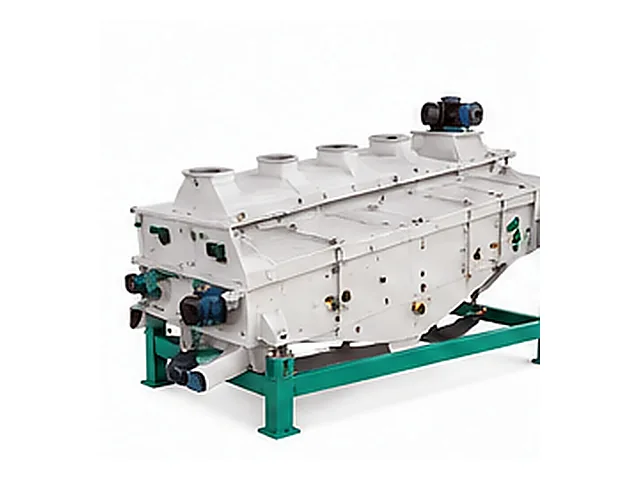 Cleaning & Pre-Cleaning
Equipment for a defined process step; final setup depends on crop and target grade.
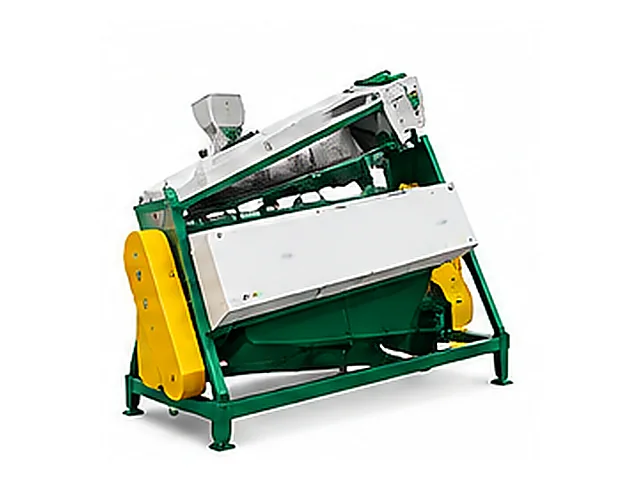 Separation
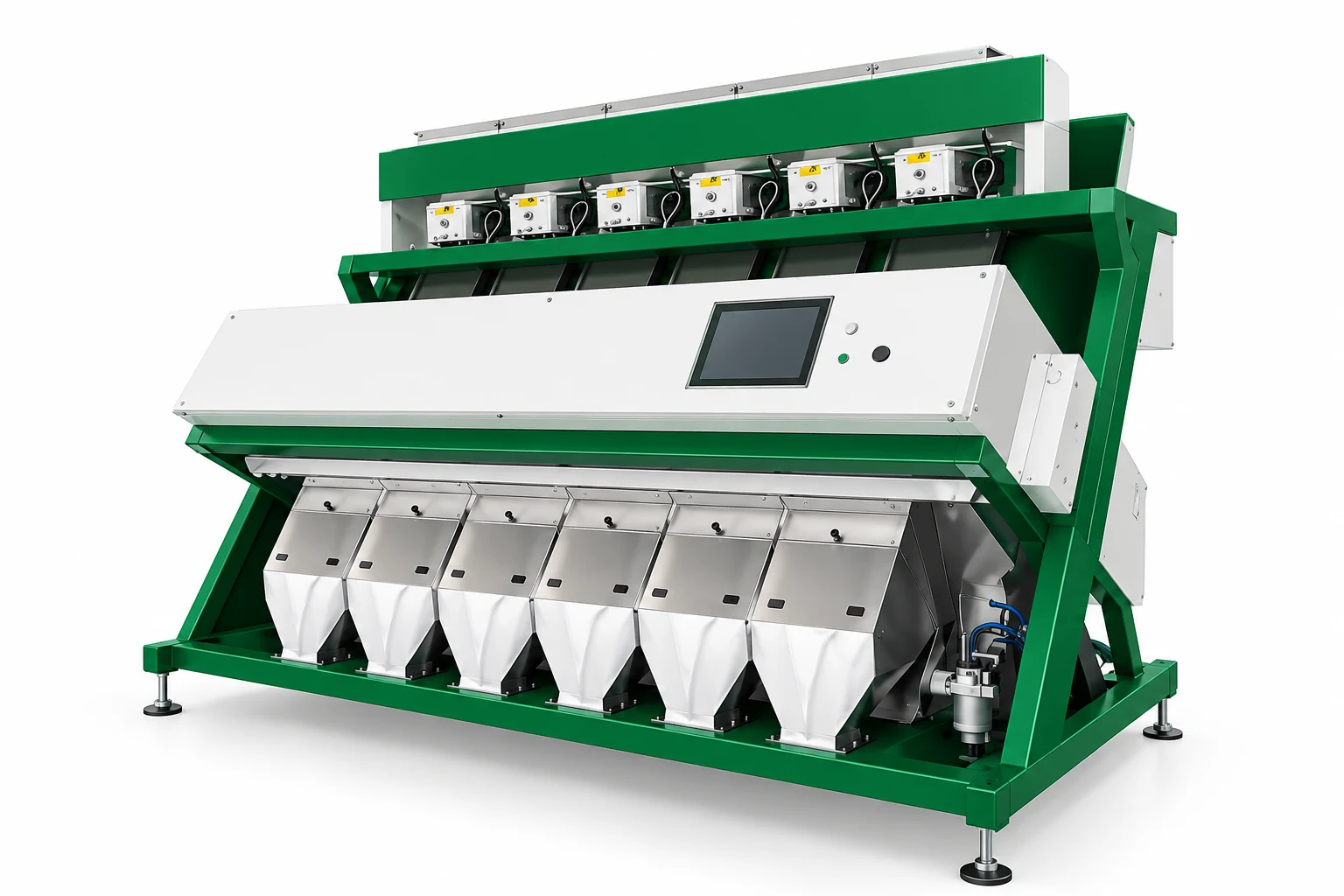 Optical Sorting
Equipment for a defined process step; final setup depends on crop and target grade.
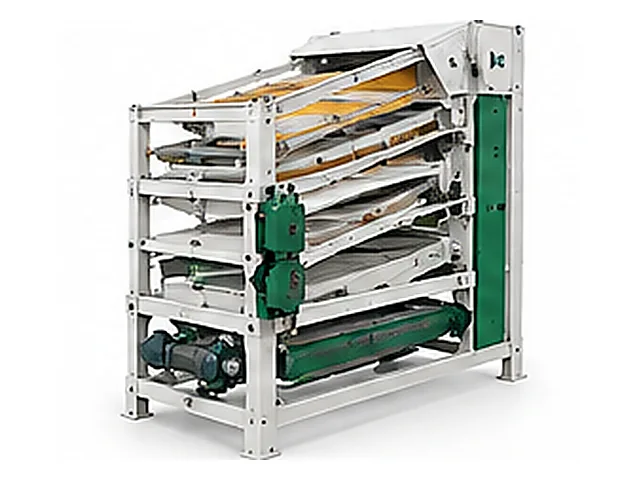 Grading & Sizing
Equipment for a defined process step; final setup depends on crop and target grade.
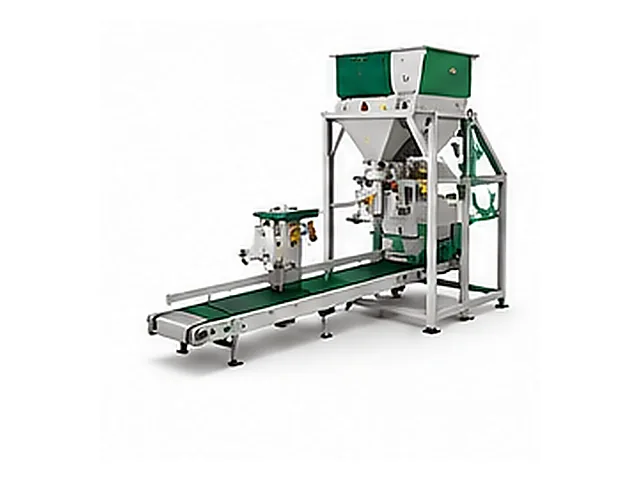 Packaging & Dispatch
Equipment for a defined process step; final setup depends on crop and target grade.
A cumin seed processing line should be planned around incoming material condition and the final product specification. Key considerations include removing dust, stems and light material from small aromatic seeds with fine screening and airflow adjusted to the required purity. The objective is to remove unwanted material without unnecessary loss of saleable product.
Planning starts with receiving, sampling and defining acceptance criteria. Depending on the sample, the line may use pre-cleaning, aspiration, screen grading, destoning or density separation, and optional optical sorting. Not every crop requires every stage; the sequence should be verified against the sample and final specification.
A cumin seed cleaning machine or other cumin seed processing equipment should not be selected on capacity alone. Screen openings, airflow, feeding method, product-contact materials, access for cleaning and downstream connections all matter. Start by reviewing Fine Seed Cleaner, Vibratory Pre-Cleaner, Aspiration Channel, then confirm the final configuration with the supplier using a representative sample and target grade.
Incoming moisture, impurity profile, variation in seed or kernel size, and the intended food, feed, oil, spice or seed-market destination all affect equipment selection. Aggressive handling can increase breakage or losses, while insufficient separation may miss the target purity. Cleaning efficiency and saleable-product recovery should therefore be assessed together.
Fine screening and aspiration in cumin seed processing should be tested to limit losses from small aromatic seeds.
When planning a cumin seed processing plant or complete seed processing line, define capacity, product quality and acceptance criteria clearly to support an accurate project quotation. Confirm throughput, dimensions, utilities, accessories, installation, commissioning and warranty conditions in writing.
For cumin seed processing, define the incoming product form, moisture condition where relevant, impurity profile, target purity and acceptable level of broken or defective material before selecting equipment. These details help determine not only the right machine, but also the sequence of equipment and inspection points across the line.
Fine screening and aspiration in cumin seed processing should be tested to limit losses from small aromatic seeds. Small seed size and the value of aromatic products make gentle handling and controlled cleaning important for spices. Cleaning efficiency should be reviewed alongside saleable-product recovery. Testing the same representative sample helps establish realistic expectations for target purity, product losses and the adjustment range required.
When comparing quotations, document throughput assumptions, product-contact materials, dust extraction, access for maintenance and cleaning, conveying interfaces and the next packaging or processing step. Ask the supplier to confirm operating conditions and capacity using a representative sample.
Inspect an incoming sample for stones, dust, husks, stems and other foreign material. The impurity profile can vary with harvesting and storage conditions.
Pre-cleaning removes coarse and light material, while fine cleaning targets smaller particles. Screen and airflow settings should be selected using a representative sample.
That depends on kernel size, shape, density differences and the target quality. Sample testing helps identify useful separation stages and estimate product loss.
Throughput planning considers moisture, impurity level, kernel characteristics, target purity and operating hours.
Check moisture, residual impurities, product integrity and the required quality. Storage conditions should suit the crop and its intended use.