SEED PROCESSING GUIDESesame Seed Processing Engineering: Micro-Sand Destoning, Low-Velocity Aspiration, and 99.98% Optical Purity
Because sesame plants are traditionally cut, bundled, and dried in the field before threshing, raw lots contain a challenging mix of light capsule chaff, 3 mm cylindrical stalk pins, and wind-blown silica sand grains that share the exact cross-sectional dimensions of the flat-oval seed. Furthermore, sesame has a very low terminal settling velocity (approx. 3.5 to 4.5 m/s), meaning poorly tuned aspirators easily suck prime product into the dust collector. World-class sesame lines rely on stepped low-velocity air channels, ball-cleaned fine sifters, micro-mesh destoners, gravity tables, and high-frequency optical sorters.
01 / PROCESSEliminating Same-Size Quartz Sand via Fine-Mesh Destoners and Gravity Tables
Fine desert sand grains smaller than 1.0 mm drop through the bottom screen of an air-screen cleaner, but 1.8 to 2.8 mm quartz particles ride over the sand sieve alongside prime sesame. Passing the screened seed over a high-frequency fine-mesh destoner and a specific gravity separator exploits the stark density difference between quartz (2.65 g/cm³) and oil-rich sesame (approx. 1.05–1.15 g/cm³) to guarantee grit-free tahini and bakery lots.
02 / EQUIPMENTLow-Velocity Laminar Aspiration and Stem-Pin Removal
Flat-oval sesame seeds weigh only 2.5 to 3.5 milligrams each and lift into the air stream if aspiration velocity spikes above 4.0 m/s. Engineers design sesame cleaners with wide, low-turbulence expansion chambers and combine round-hole scalping decks with narrow oblong slots that retain cylindrical stalk pins while allowing flat sesame seeds to pass.
03 / QUALITYPreparing Sesame for Wet/Dry Hulling and Bakery Color Sorting
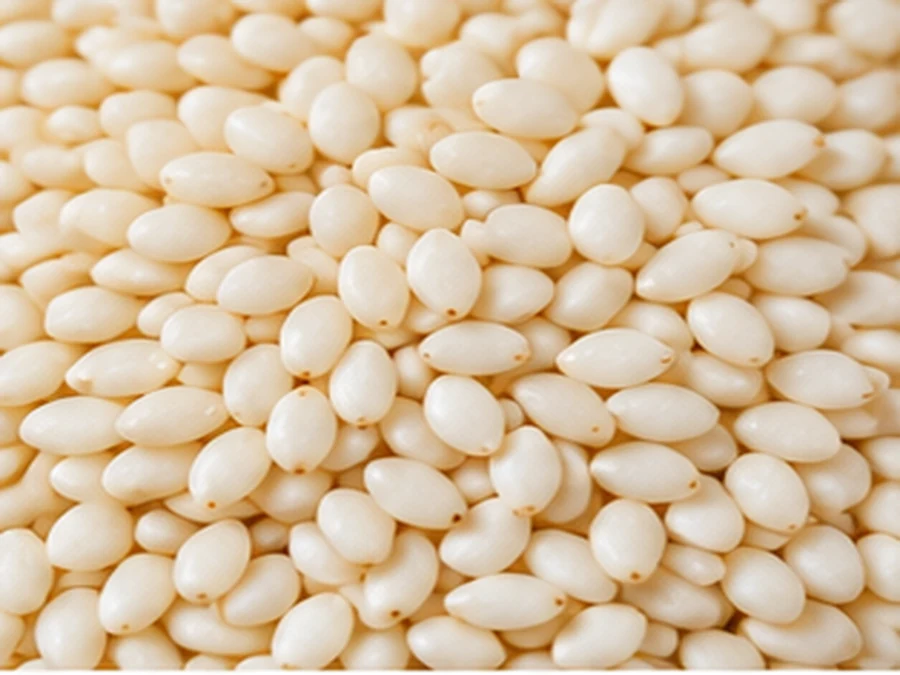
Whether producing natural white/golden sesame, black sesame, or wet-peeled hulled bakery seed, visual purity must reach 99.95 to 99.99 percent. Multi-chute bichromatic and RGB optical sorters fitted with ultra-fine pitch ejectors strip out off-color seeds, dark oxidized kernels, fungal spots, and residual stick fragments with minimal good-seed carry-over.
Pre-Engineering Technical Checklist for Sesame Cleaning and Hulling Plants
- Determine raw sesame origin and cultivar (white, golden, mixed, or black), incoming moisture (target below 6.0%), and fine silica sand percentage.
- Define final purity grades—such as 99.95% natural sortex quality or 99.98% hulled bakery grade with zero mineral stones per 10 kg.
- Specify stainless-steel contact surfaces for wet-hulling/drying sections, 10,000-gauss rare-earth magnets, and fine-mesh destoner deck weave.
When evaluating machinery quotations for a sesame processing facility, verify that every cleaner, destoner, and gravity table is sized specifically for fine oilseeds rather than general cereal grains. A screen cleaner rated at 20 t/h on wheat typically processes 4 to 7 t/h of sesame when fitted with 2.8 mm round scalping plates and 1.0 mm sand sieves; require written mass-balance guarantees for both throughput and seed loss.
For plants integrating wet alkaline/water soaking, mechanical decortication (peeling), brine separation, and fluid-bed drying to produce hulled white sesame, upstream dry cleaning and destoning are still mandatory. Entering the wet huller with stones, mud balls, and heavy stalk trash abrades peeling rotors, contaminates wash water, and embeds dark dirt into the exposed white cotyledon.
Plant Layout and Hygiene Engineering to Prevent Oil Smearing and Cross-Contamination
Sesame seeds contain 50 to 55 percent oil locked behind a thin, delicate seed coat that ruptures if subjected to high-shear augers or sharp impact elbows. Plant layouts must rely on slow-speed belt bucket elevators, smooth gravity chutes, and cushioned transitions so free oil never coats screen decks or accumulates rancid paste inside machine housings.
During laboratory intake profiling, quality teams should fractionate a 500-gram raw sesame sample into five distinct metrics: coarse capsule pods and stalks above 3.2 mm, fine silt passing a 1.0 mm sieve, same-size quartz stones isolated by float-sink testing, light shriveled/immature seeds, and off-color discolored kernels. This data establishes the exact deck settings for each machine in the line.
In export facilities handling both natural white sesame and black or brown varieties, self-cleaning elevator boots, flush screen-clamp frames, and compressed-air blow-down ports are critical. Even a handful of residual black sesame seeds trapped in a dead corner will downgrade an entire subsequent batch of premium white bakery seed.
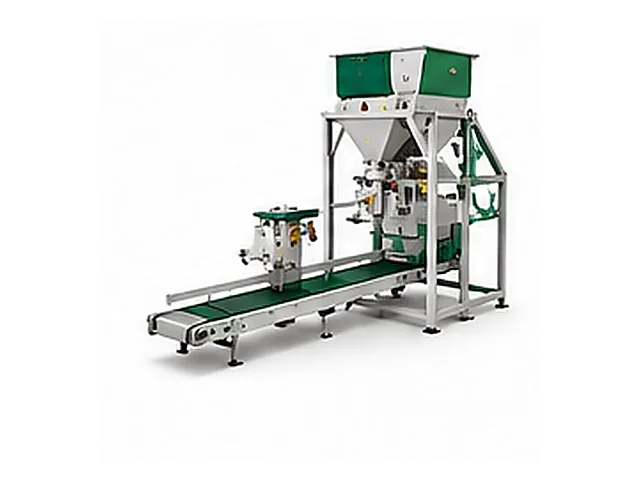
Core Machinery for Sesame Cleaning, Destoning, and Packaging

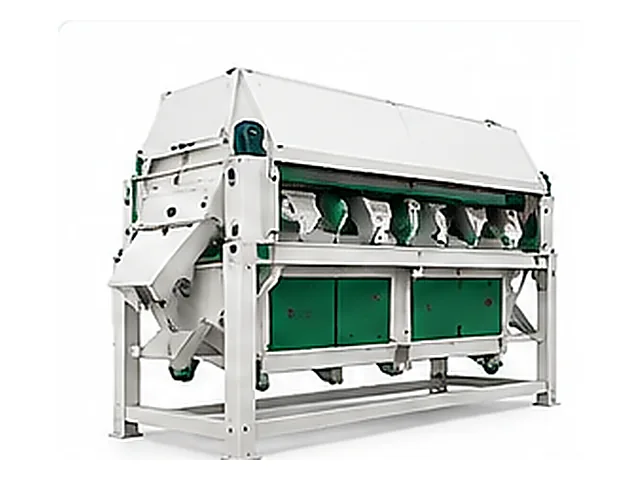 Cleaning & Pre-Cleaning