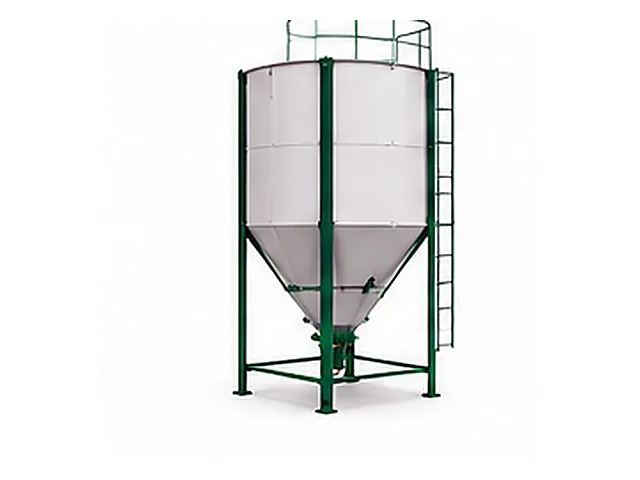
 Seed Processing & Conditioning
Seed Drying System
Controlled-temperature drying system engineered to reduce harvest moisture safely without thermal stress to seed embryo viability.
Project-specific↗

Thermal drying, fluid-bed cooling, liquid chemical seed treatment, surface polishing, roasting, blanching, and size-reduction equipment condition seeds, pulses, nuts, and specialty grains to exact moisture, hygiene, and functional standards.
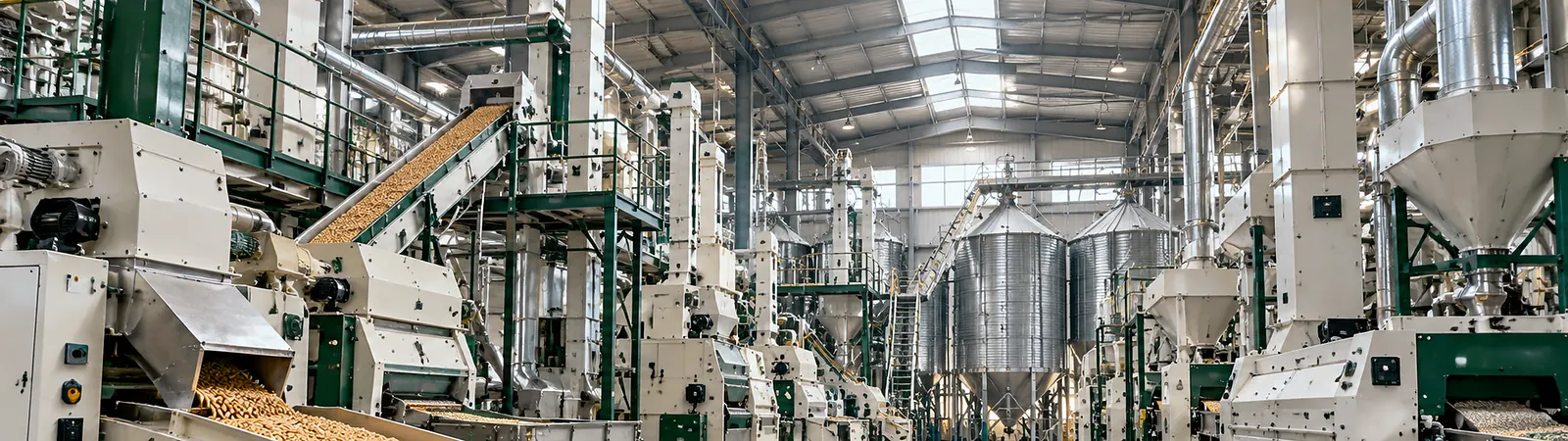
Examine batch and continuous dryers, fluid-bed coolers, seed treaters, brush/canvas polishers, roasters, blanchers, and mills below to configure specialized value-added conditioning stages.
Seed Processing & ConditioningControlled-temperature drying system engineered to reduce harvest moisture safely without thermal stress to seed embryo viability.
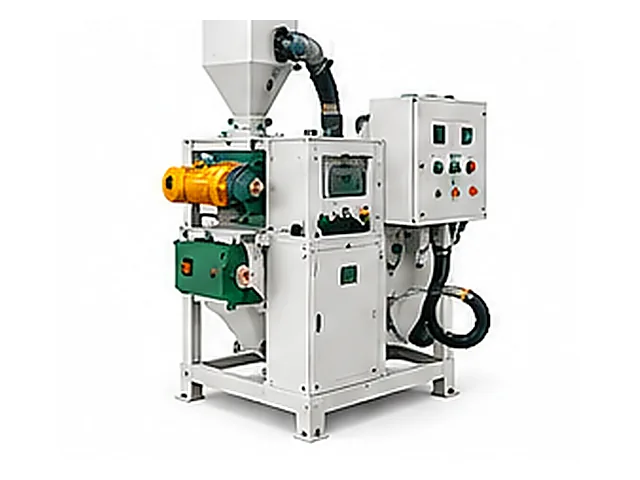 Seed Processing & Conditioning
Batch-cycle rotary mixing and liquid atomization unit for precise film coating, encrusting, and multi-component seed treatment recipes.
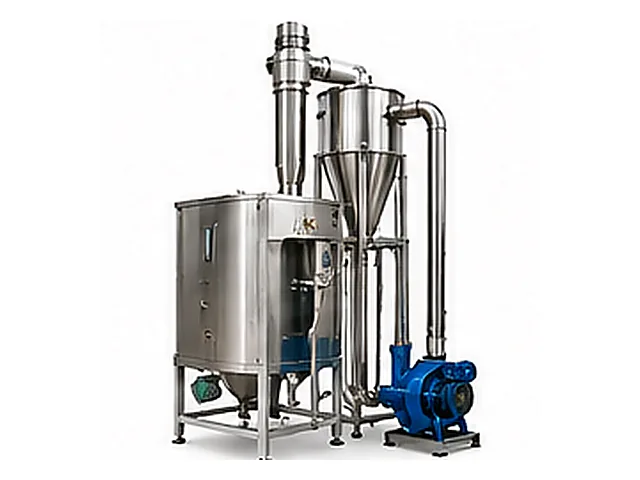 Seed Processing & Conditioning
Vertical steam-cooking and hydration column tailored for uniform starch gelatinization in industrial bulgur wheat production lines.
 Seed Processing & Conditioning
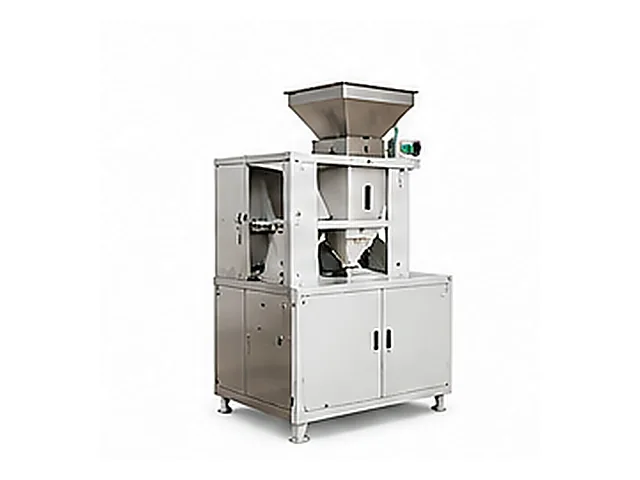
Inline continuous-flow seed treater pairing metered grain feed with peristaltic or flow-meter liquid dosing and secondary rolling drum.
 Seed Processing & Conditioning
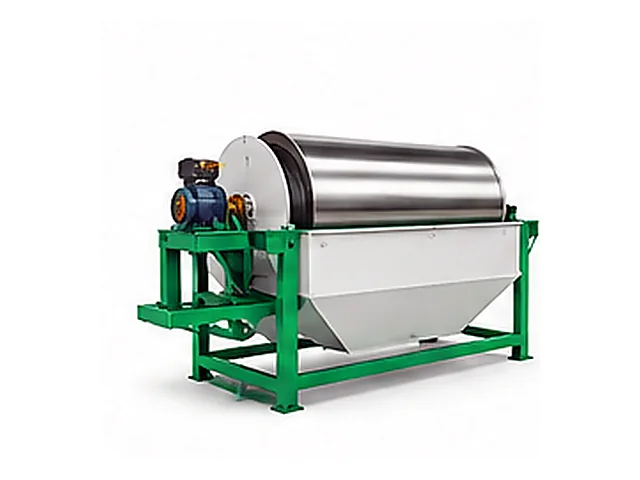
Inclined rotating coating drum that tumbles treated kernels gently to distribute liquid protectants evenly and minimize seed coat abrasion.
 Seed Processing & Conditioning
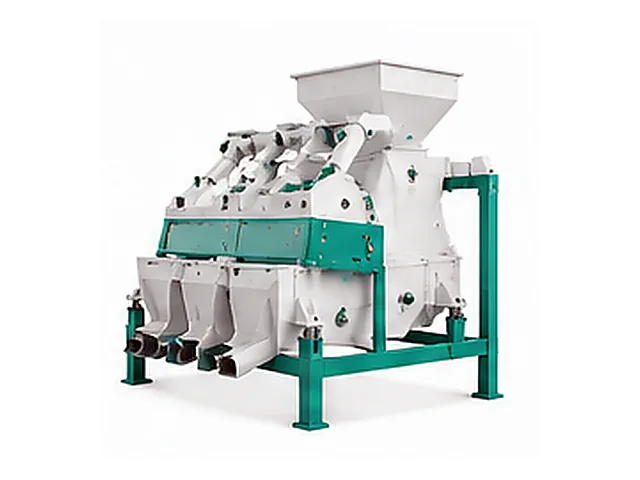
Perforated-bed pneumatic cooler that fluidizes hot roasted, cooked, or dried grains with ambient air to arrest thermal carryover prior to storage.
 Seed Processing & Conditioning
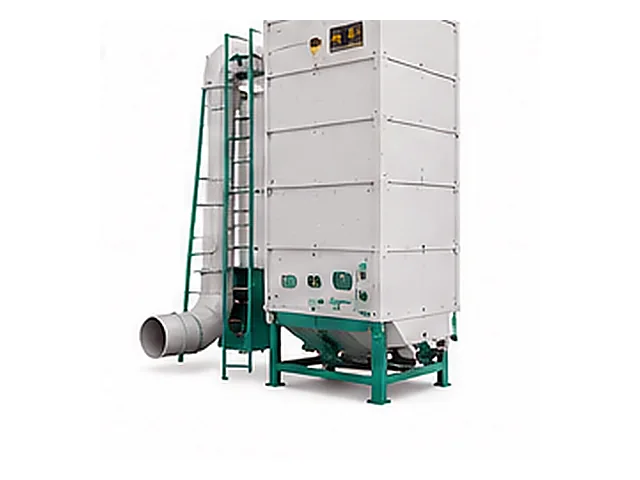
Continuous fluidized-bed thermal dryer offering uniform heat and mass transfer for high-moisture seeds, parboiled grains, and pulses.
 Seed Processing & Conditioning
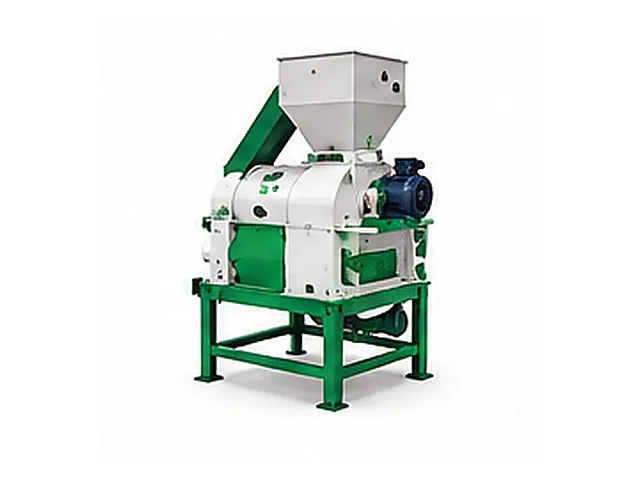
High-speed swinging-hammer impact mill with interchangeable screen grates for grinding grains, screenings, and oilseed meal into uniform meal.
 Seed Processing & Conditioning
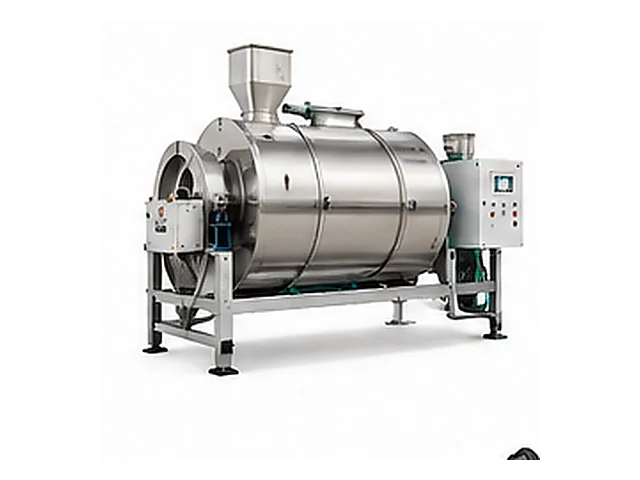
Mechanical skin-loosening and separation unit designed to remove loosened testa from roasted or conditioned peanuts, almonds, and hazelnuts.
 Seed Processing & Conditioning
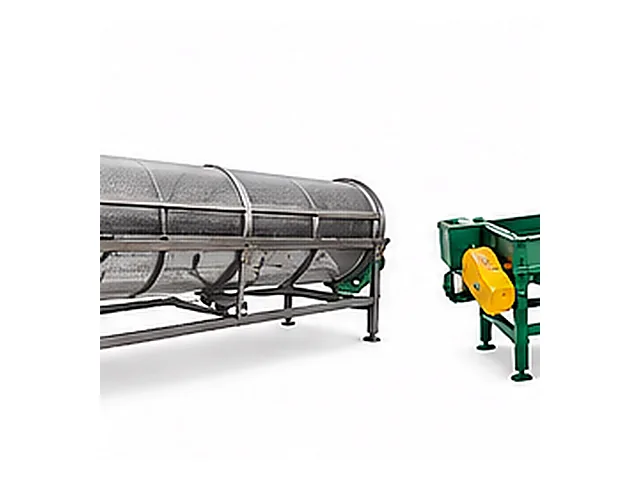
Counter-rotating pin disc mill engineered for fine, low-heat pulverization of spices, pulses, and specialty food-grade seed flours.
 Seed Processing & Conditioning
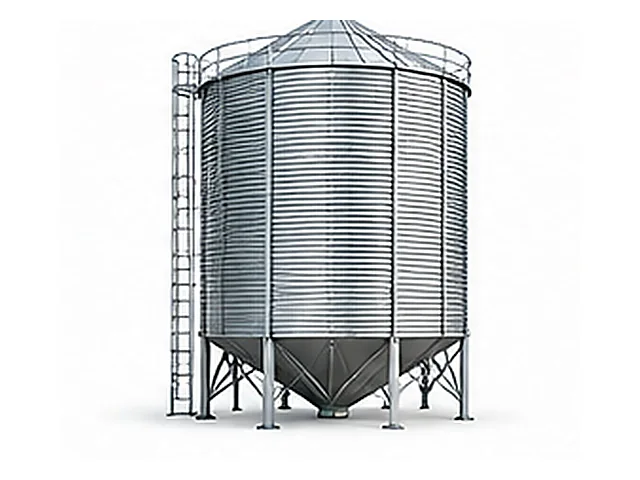
Self-contained batch column dryer that circulates grain through warm air ducts and rest zones until target storage moisture is reached.
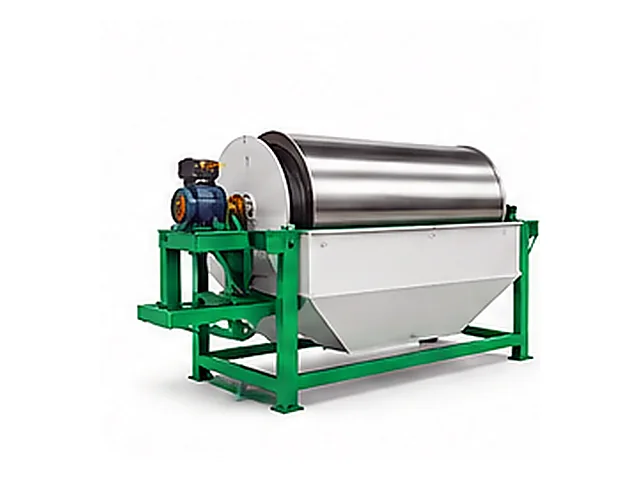 Seed Processing & Conditioning
Canvas-lined friction polishing cylinder that buffs dust, soil film, and dullness from dry beans, lentils, and commercial pulses.
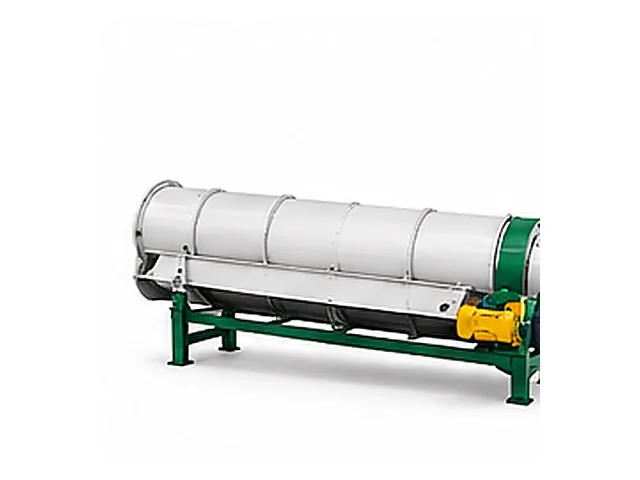 Seed Processing & Conditioning
Rotary bristle-brush polisher designed to clean surface crease dirt and brighten seed coats on grains, pulses, and specialty seeds.
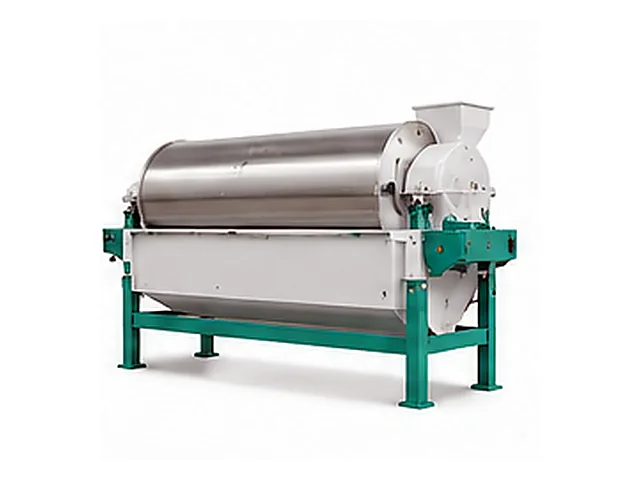 Seed Processing & Conditioning
Continuous-flow thermal roasting system providing controlled residence time and temperature profiles for sesame seeds and oilseeds.
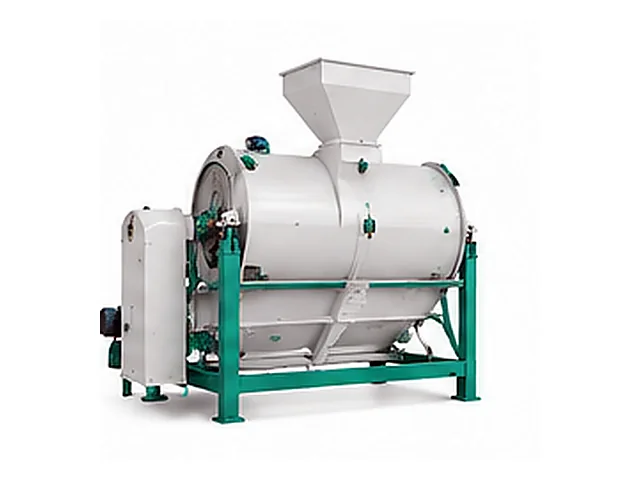 Seed Processing & Conditioning
Batch drum roaster allowing custom thermal curves and aroma development for specialty sesame, tahini stock, and confectionery seeds.
Thermal drying typically follows intake pre-cleaning, surface polishing follows density separation, and liquid chemical treatment or film coating is placed immediately ahead of final surge bins and bagging to prevent chemical contamination of upstream cleaners.
Continuous drum treaters suit high-volume cereal and soybean runs with simple liquid formulations, whereas batch rotary coaters excel when applying multi-layer polymers, powders, inoculants, and high-value vegetable or hybrid seed coatings.
Excessive kernel temperature denatures embryo proteins and causes stress cracks in the endosperm; safe seed drying balances moderate plenum air temperature with adequate airflow and tempering intervals depending on initial moisture.
After destoning and gravity grading, passing dry beans, chickpeas, or lentils through a brush or canvas polisher removes adhering clay dust and imparts the uniform glossy finish demanded by retail packagers.
Because moisture removal rates, slurry absorption, and grinding energy depend heavily on kernel structure and oil content, pilot sample testing and thermal mass-balance calculations are used to confirm unit sizing.