
 Separation & Dehulling
Separation & Dehulling
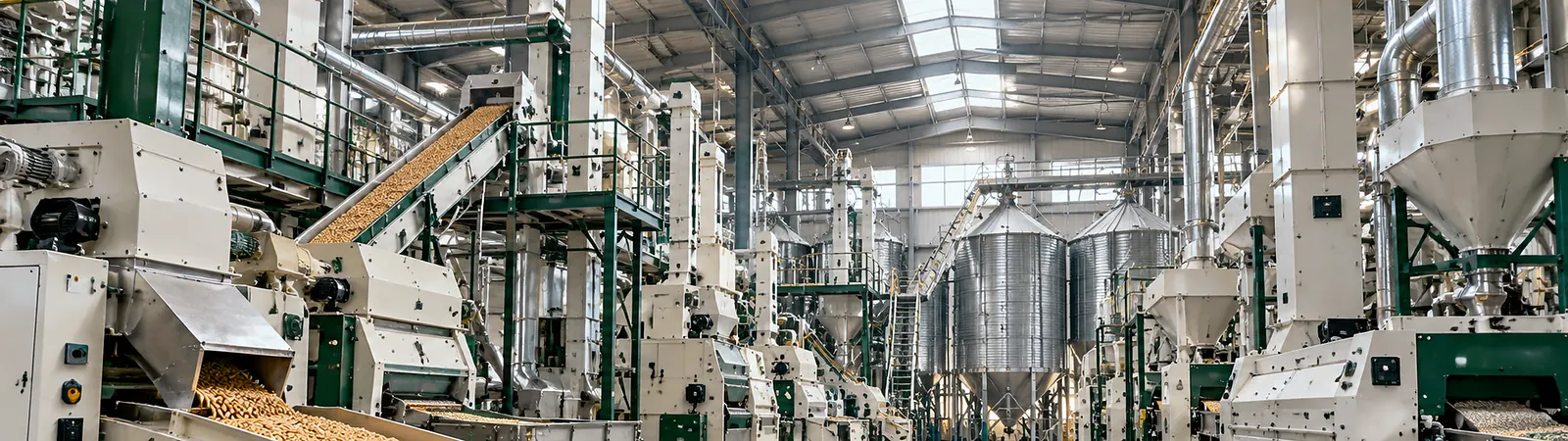
Density tables, pressure destoners, indented cylinders, spiral separators, magnetic traps, and mechanical hullers exploit differences in specific gravity, kernel length, roundness, and shell attachment to isolate difficult impurities and dehull specialty crops.
Specific Gravity, Length, Magnetic & Dehulling Machinery · 23
Review destoners, single- and multi-fan gravity separators, indented cylinders, spirals, magnetic belts, and specialized hullers below to solve complex separation and dehulling challenges.
Separation & Dehulling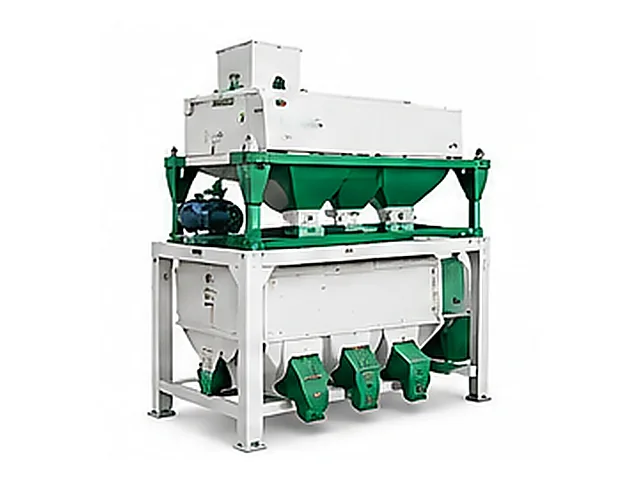 Separation & Dehulling
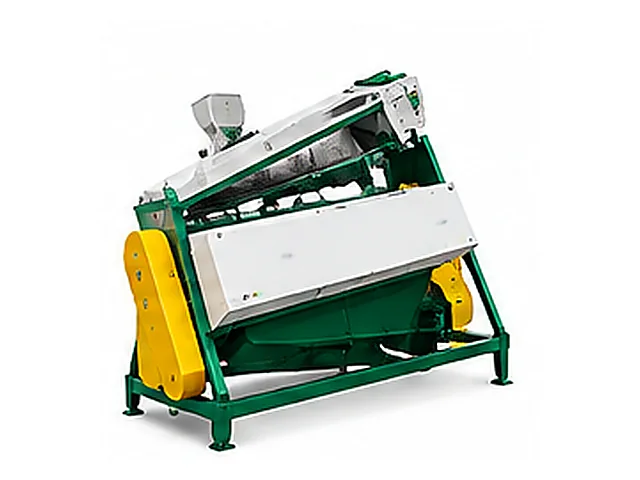
Gravity Separator
Fluidized density table that stratifies pre-sized seeds by specific gravity to reject insect-bitten, moldy, or partially filled kernels.
1–20 t/h↗
 Separation & Dehulling
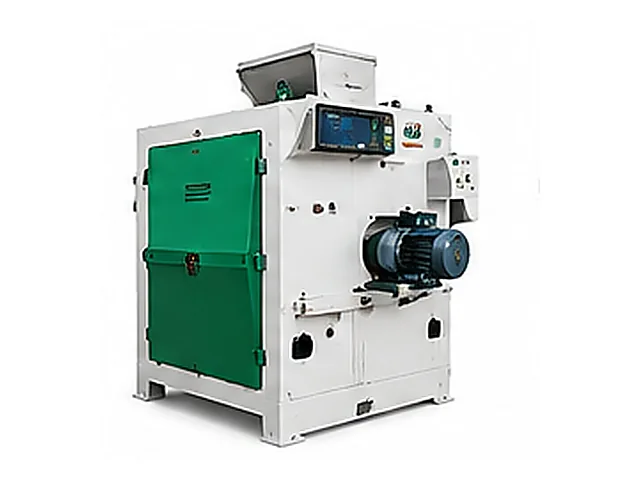
Magnetic Separator
Inline permanent-magnet separator engineered to extract ferrous contaminants and weakly magnetic soil particles from dry granular streams.
2–35 t/h↗
 Separation & Dehulling
 Separation & Dehulling
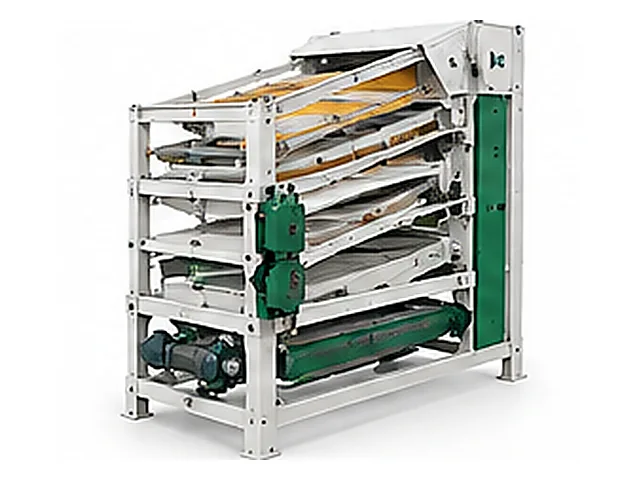
Vibratory Separator
Oscillating multi-deck screen separator suited for scalping, dedusting, and classifying granular materials across compact floor space.
2–25 t/h↗
 Separation & Dehulling
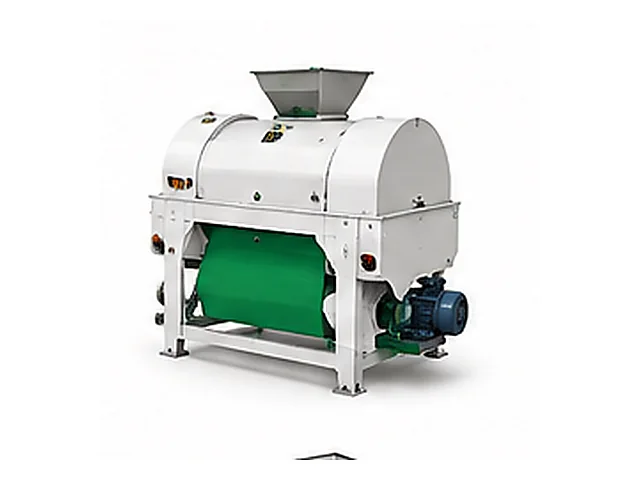
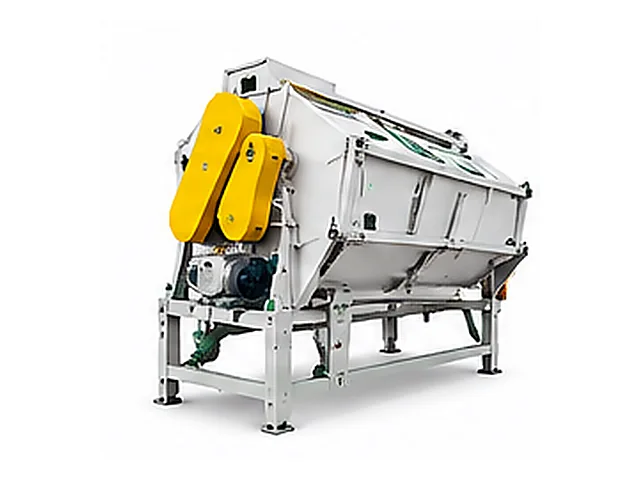
Abrasive Roller Huller
Carborundum or emery roller decorticator that progressively abrades fibrous outer bran and hulls from legumes, millet, and barley.
What to confirm before selection↗
 Separation & Dehulling
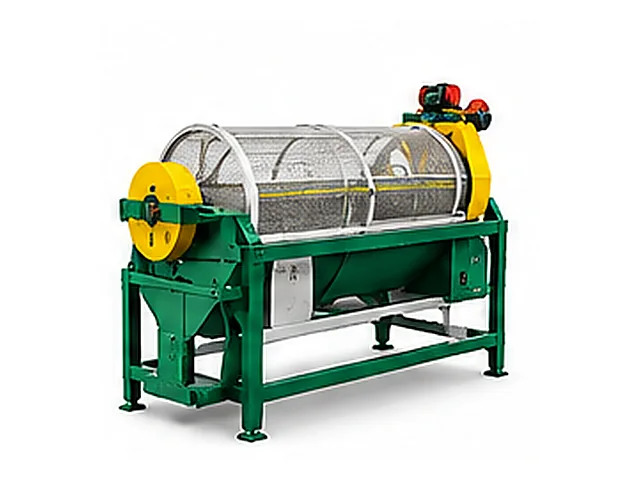
Belt Thresher
Dual-belt rubbing thresher that detaches pods, capsules, and glumes from delicate vegetable, flower, and forage seeds without impact shattering.
What to confirm before selection↗
 Separation & Dehulling
 Separation & Dehulling
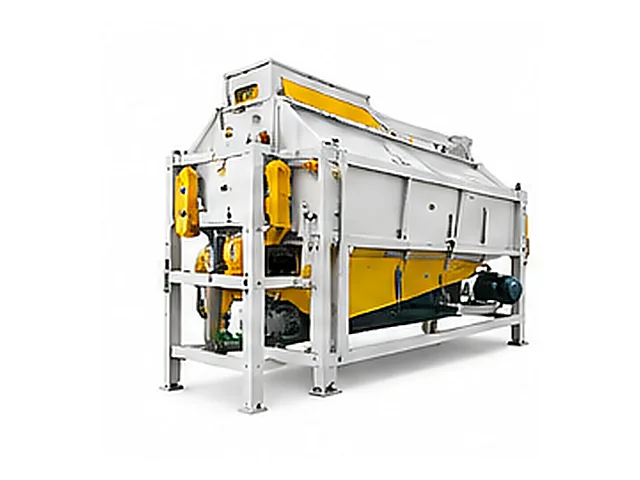
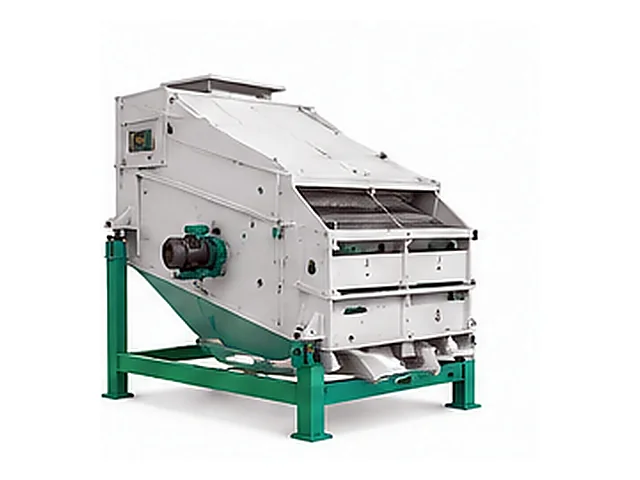
Eccentric Pre-Cleaner Seed Separators
Eccentric-drive reciprocating screen separator designed for high-throughput pre-cleaning and coarse trash removal at plant intake.
What to confirm before selection↗
 Separation & Dehulling
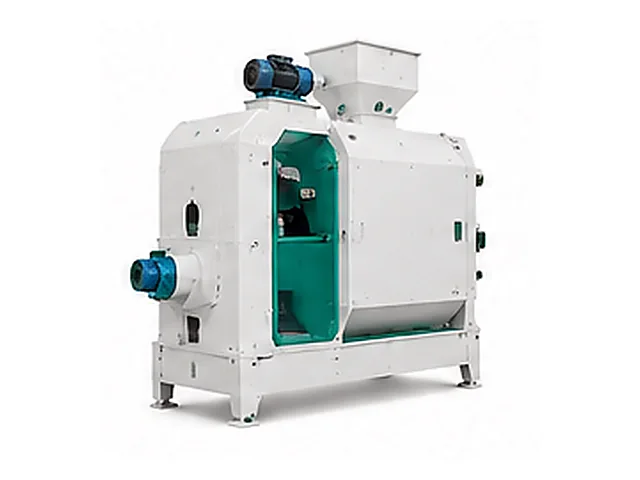
Impact Dehuller
Centrifugal rotor huller that accelerates seeds against an impact ring to crack sunflower, oat, or hemp shells cleanly by inertia.
What to confirm before selection↗
 Separation & Dehulling
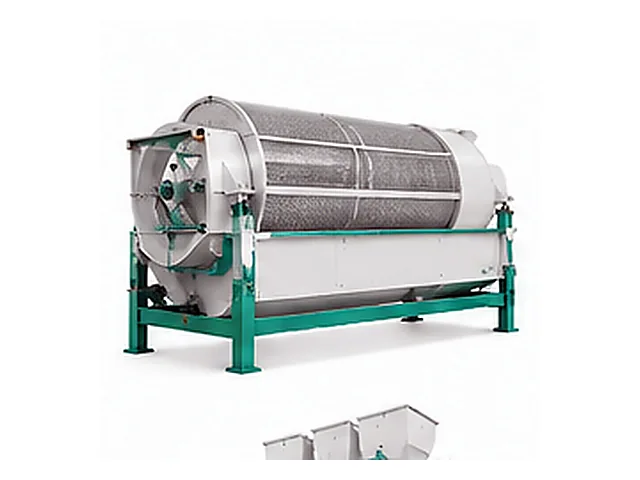
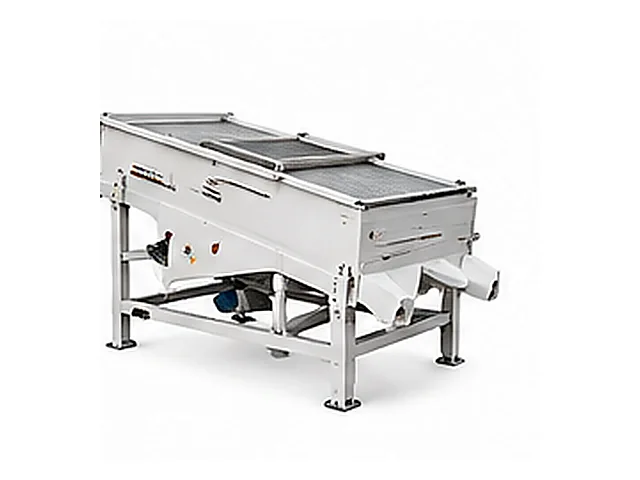
Indented Cylinder Separator for Seeds & Grain
Rotating pocketed drum classifier that lifts short broken grains and round weed seeds into an internal trough while rejecting long stalks.
What to confirm before selection↗
 Separation & Dehulling
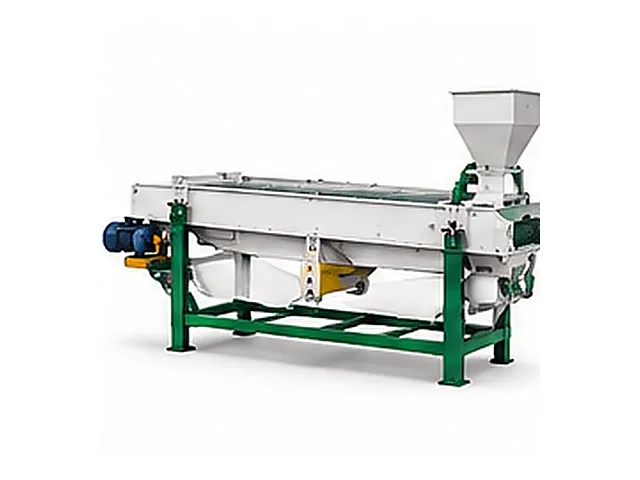
Magnetic Belt Separator
High-intensity rare-earth magnetic roller belt that pulls magnetic soil clods, iron-stained seeds, and metallic dust from thin product mono-layers.
What to confirm before selection↗
 Separation & Dehulling
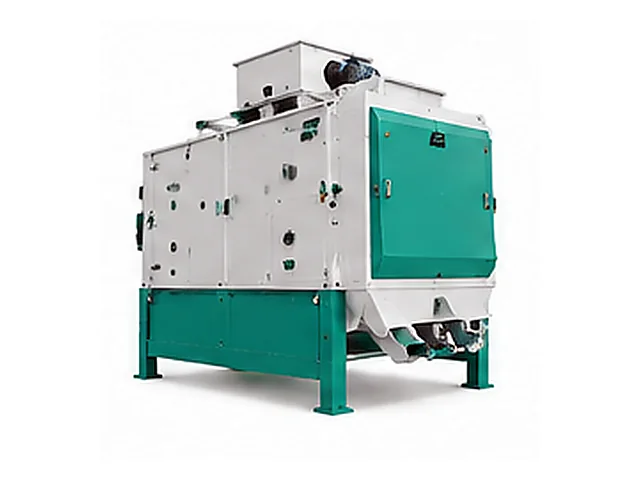
Multi-Fan Gravity Separator for Seeds & Grain
Multi-fan pressure gravity table providing independent zone airflow control across the deck for precise density stratification on large seed flows.
What to confirm before selection↗
 Separation & Dehulling
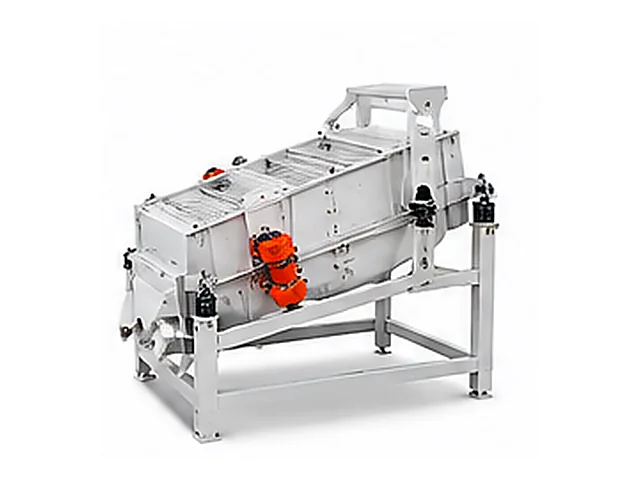
Oscillating Pre-Cleaner Seed Separators
Counter-balanced oscillating sieve cleaner engineered for smooth structural operation on elevated steelwork platforms.
What to confirm before selection↗
 Separation & Dehulling
Peanut Sheller
Bar-and-concave mechanical sheller calibrated to crack groundnut pods and aspirate loose shells away from whole peanut kernels.
What to confirm before selection↗
 Separation & Dehulling
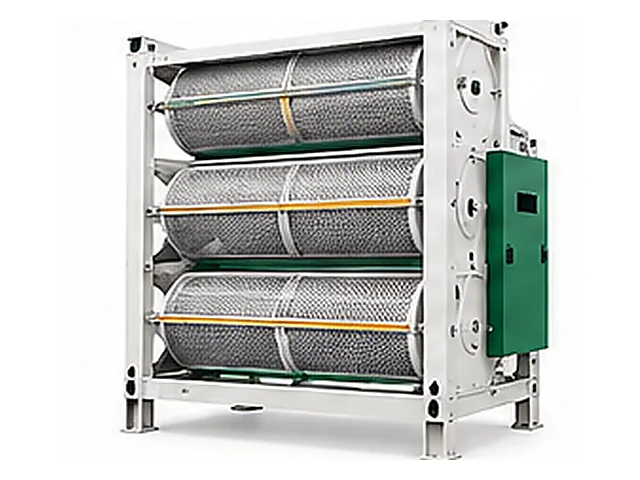
Pistachio Sheller
Dedicated hulling and shell-splitting unit tailored for processing harvested pistachio lots with minimal kernel scoring.
What to confirm before selection↗
 Separation & Dehulling
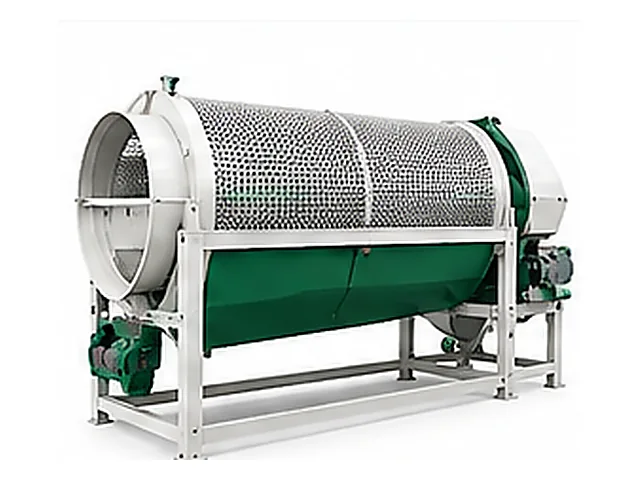
Rotary Pre-Cleaner Seed Separators
Rotating drum pre-cleaner that tumbles incoming harvest stock to discharge fine sand and retain oversized straw and coarse cobs.
What to confirm before selection↗
 Separation & Dehulling
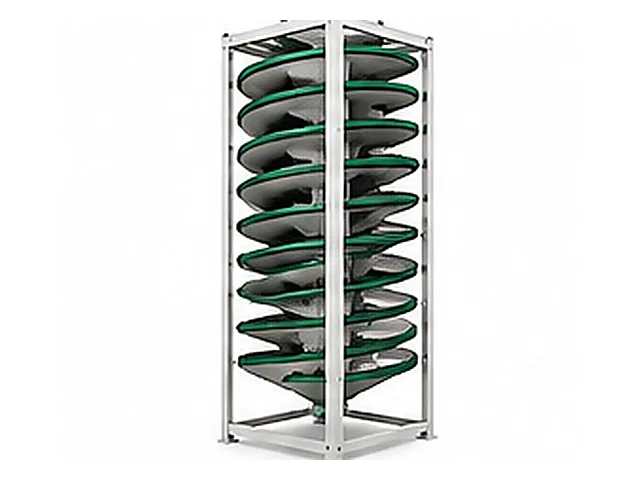
Seed Spiral Separator
Gravity-fed helical chute separator without moving parts that sorts round seeds like vetch, mustard, or soybeans from flat or broken fractions.
What to confirm before selection↗
 Separation & Dehulling
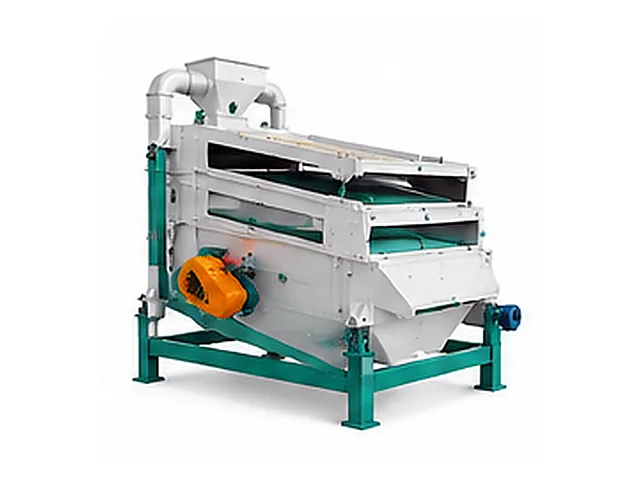
Single-Fan Gravity Separator for Seeds & Grain
Compact single-fan fluidized density separator ideal for small-to-medium seed lots requiring specific-weight upgrading.
What to confirm before selection↗
 Separation & Dehulling
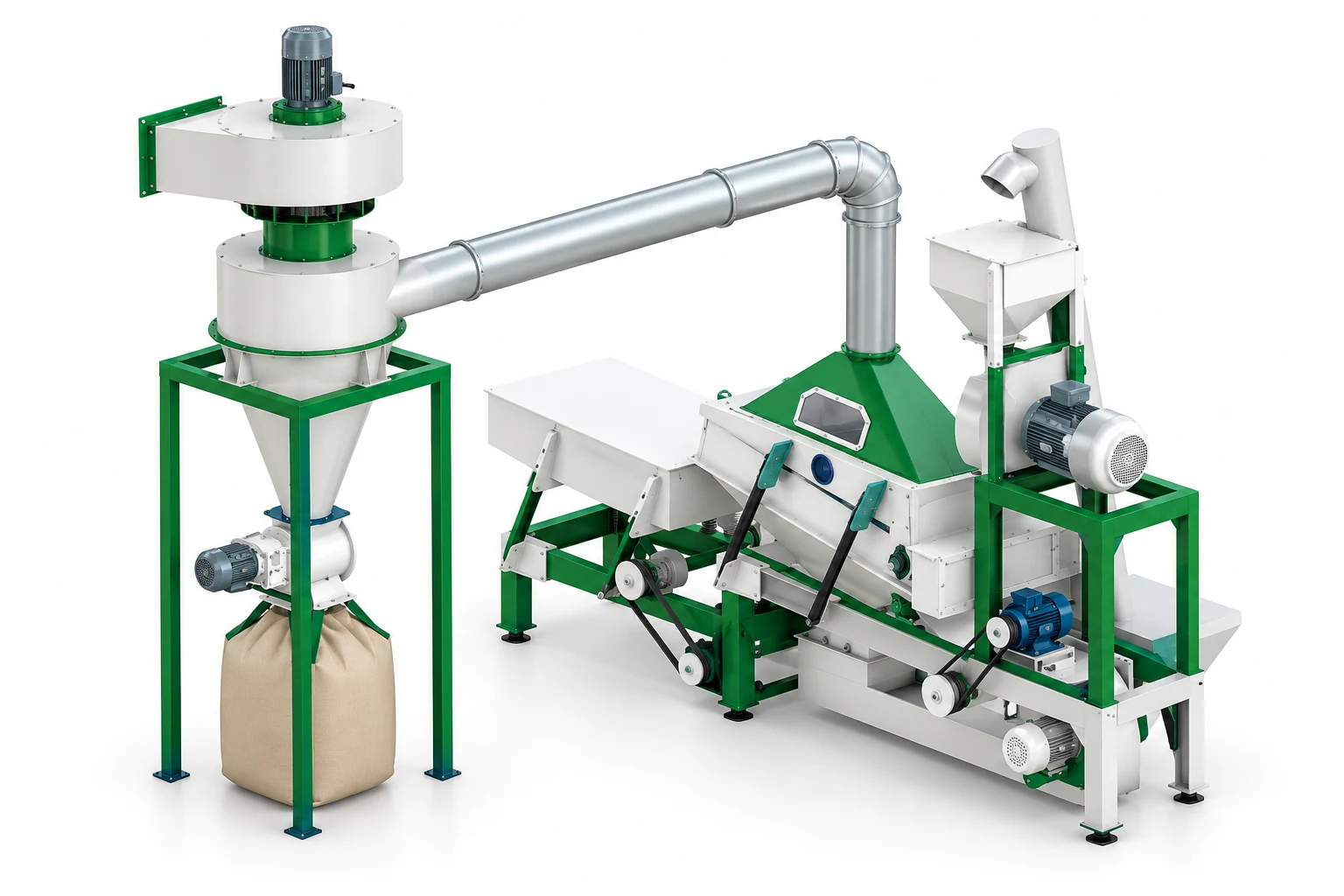
Spelt Huller
Specialized decorticating mill engineered to release intact spelt, emmer, and einkorn kernels from tightly clinging glumes.
What to confirm before selection↗
 Separation & Dehulling
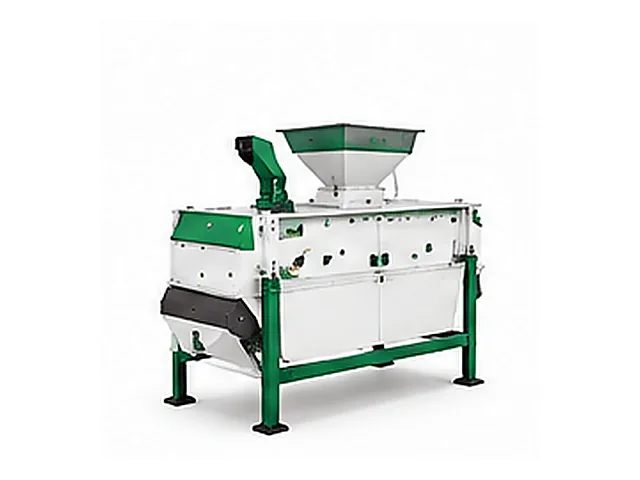
Spelt Huller & Separator
Combined hulling and aspiration unit that decorticates ancient hulled wheats and immediately separates loose chaff in a compact footprint.
What to confirm before selection↗
 Separation & Dehulling
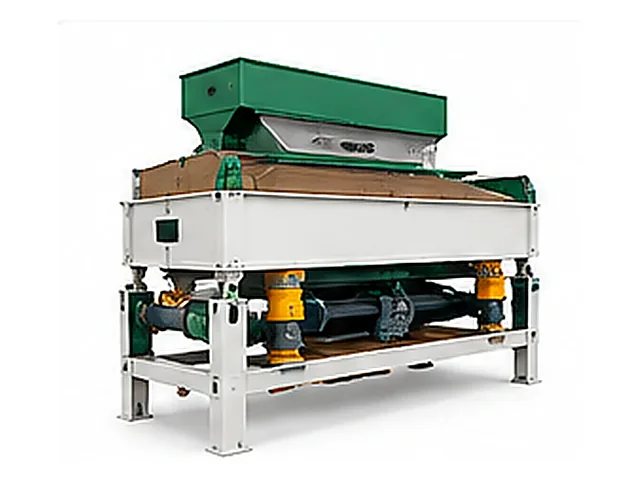
Stone Mill Machine
Traditional horizontal or vertical millstone grinding unit for slow, cool-running whole-grain flour and paste milling.
What to confirm before selection↗
 Separation & Dehulling
Vibratory Pre-Cleaner Seed Separators
Vibro-motor driven pre-cleaning deck offering rapid screen inspection and low mechanical maintenance for intake scalping.
What to confirm before selection↗
Engineering FAQ on Density Separation, Length Grading & Dehulling
How do engineers decide which physical separation principle to apply?
When an impurity shares the exact width and thickness of the crop and passes through an air-screen cleaner, engineers select indented cylinders for length differences, gravity tables for density differences, spirals for roundness, or magnets for iron-bearing clods.
Why should feed stock be closely size-graded before entering a gravity separator?
A gravity deck stratifies particles by weight and aerodynamic drag; if large light seeds and small dense seeds enter together, they exhibit similar terminal velocities and mix in the middlings zone instead of separating cleanly.
How does a pressure destoner differ from a full-deck gravity separator?
A destoner focuses exclusively on separating high-density mineral inclusions like stones and glass that represent a small fraction of the flow, whereas a gravity table spreads the entire seed bed across multiple discharge cuts by subtle specific-weight differences.
What is the difference between an inline chute magnet and a magnetic belt separator?
Inline grates and tubular magnets trap free tramp iron such as bolts and wire in gravity spouts, whereas high-intensity rare-earth magnetic belt rollers separate weakly paramagnetic soil particles and iron-oxide-coated weed seeds from a single-kernel layer.
How are dehulling efficiency and kernel breakage balanced on hulling machines?
Operators regulate rotor tip speed, roller gap, or screen clearance alongside incoming seed moisture and pre-sizing uniformity so shells fracture without shattering the internal kernel, recycling unhulled paddy back to the infeed.